Residential Yard Drainage Repair in Westmont
Residential drainage calls in Westmont often involve detached homes with a lawn, driveway, patio, or side passage that channels rain toward a low point. If your home has an older drain system, a repaired landscape, or an inlet hidden by planting, the failure may not be obvious until winter. We inspect the yard as a connected system: surface slope, collection points, pipe route, and outlet. Then we repair the component causing the problem, whether that is a clogged basin, separated fitting, or drain that no longer matches the finished grade. We take care around gates, paving, and established planting, and we test the route before finishing. You get a practical explanation of what changed and what to check after the next storm.
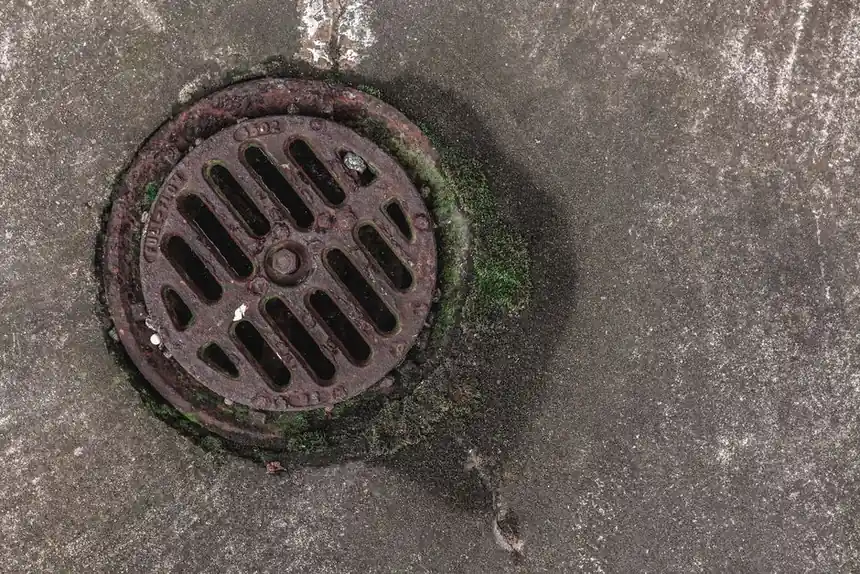
- Home yard drain inspection — We inspect Westmont home yards for repeat puddles, overflowing inlets, and water tracking toward the house. We check the basin, visible pipe connections, and available outlet, then test flow where practical. That helps separate a simple blockage from a broken line or surface grading issue before excavation begins.
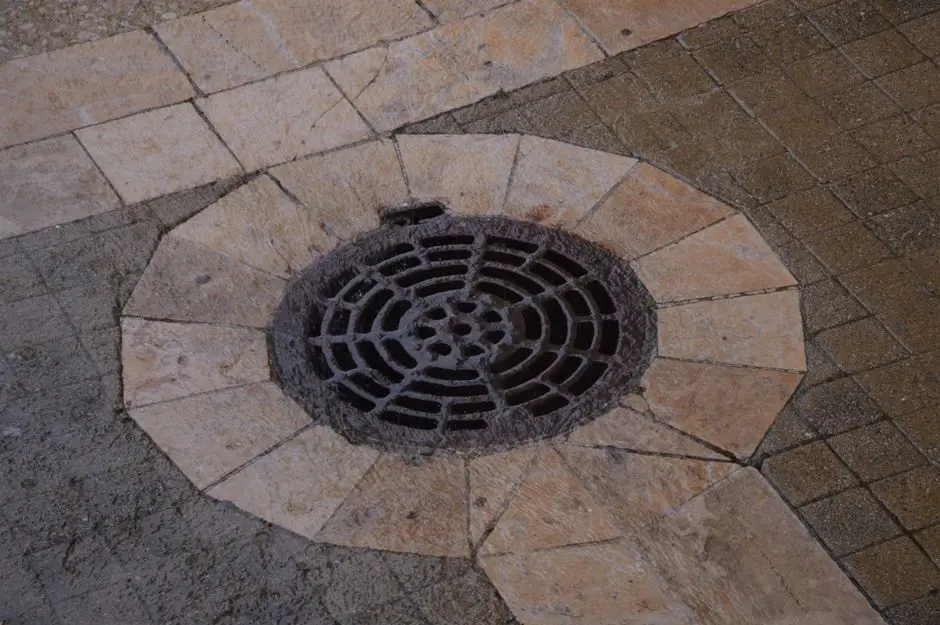
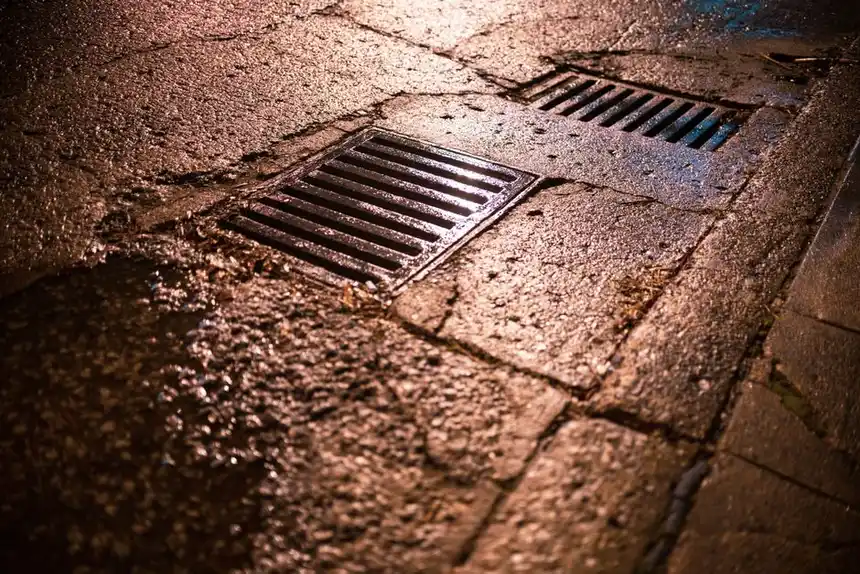
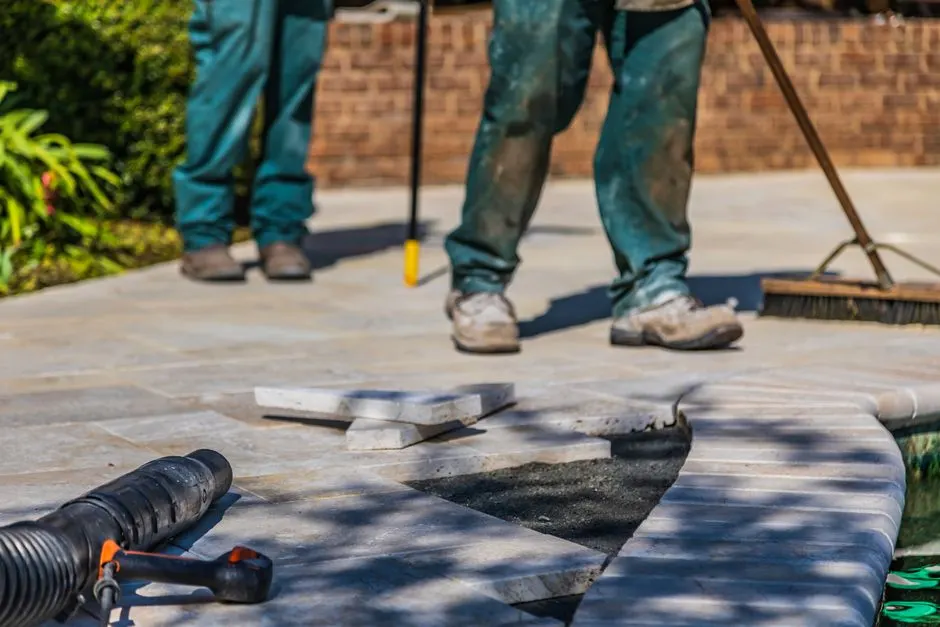
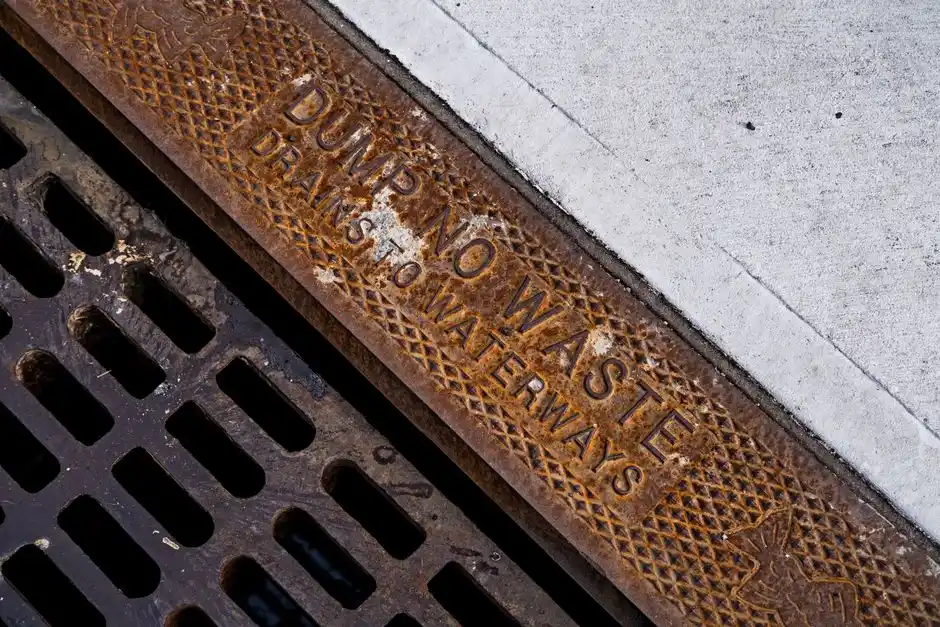
- Driveway runoff collection — If runoff crosses your Westmont driveway or reaches a garage approach, we assess the pavement slope and low edge. A correctly positioned channel or area drain can intercept water before it reaches the entry. We set the grate to the finished surface and verify that the connected line carries water away.
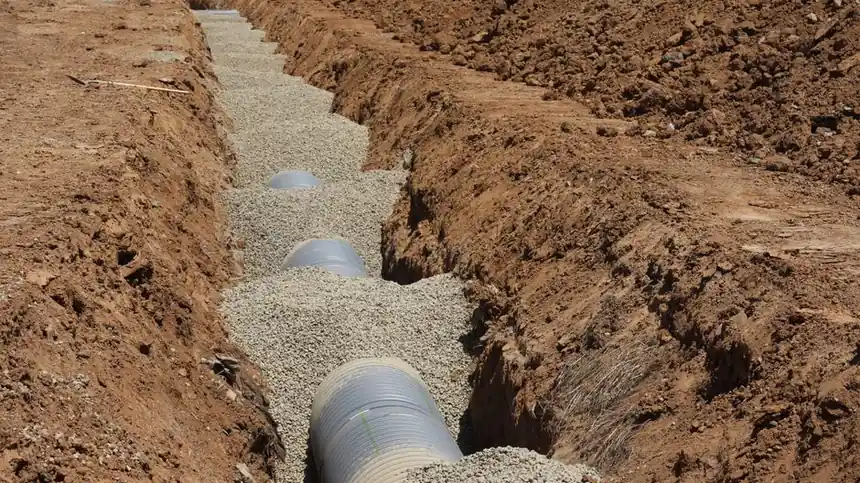
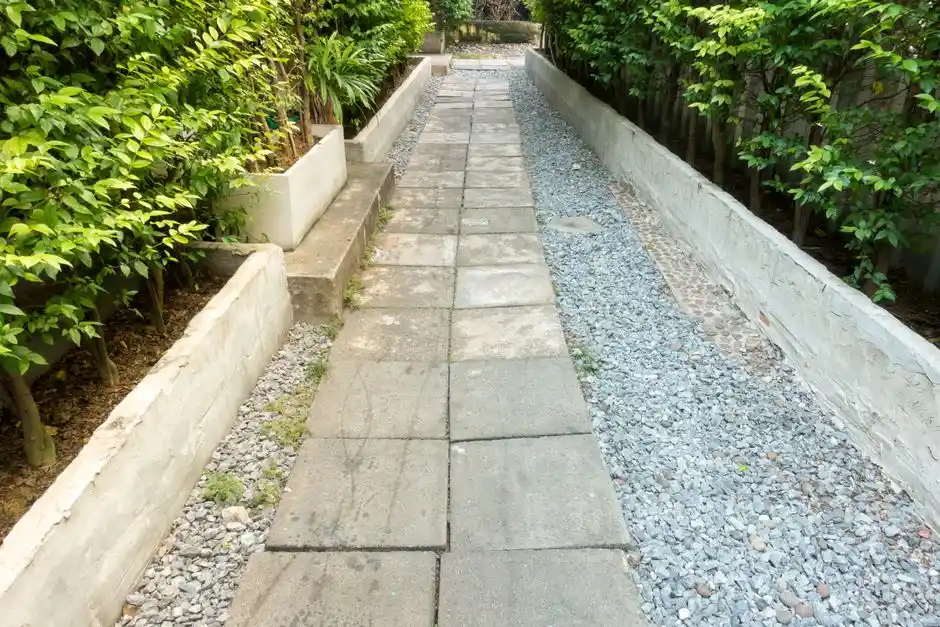
- French drain repair — A French drain that no longer keeps a Westmont lawn from staying wet needs an outlet and trench check. We inspect accessible sections, look for settlement or blockage, and repair the failed portion where possible. If replacement is needed, we plan the route around planting and the property's usable discharge point.
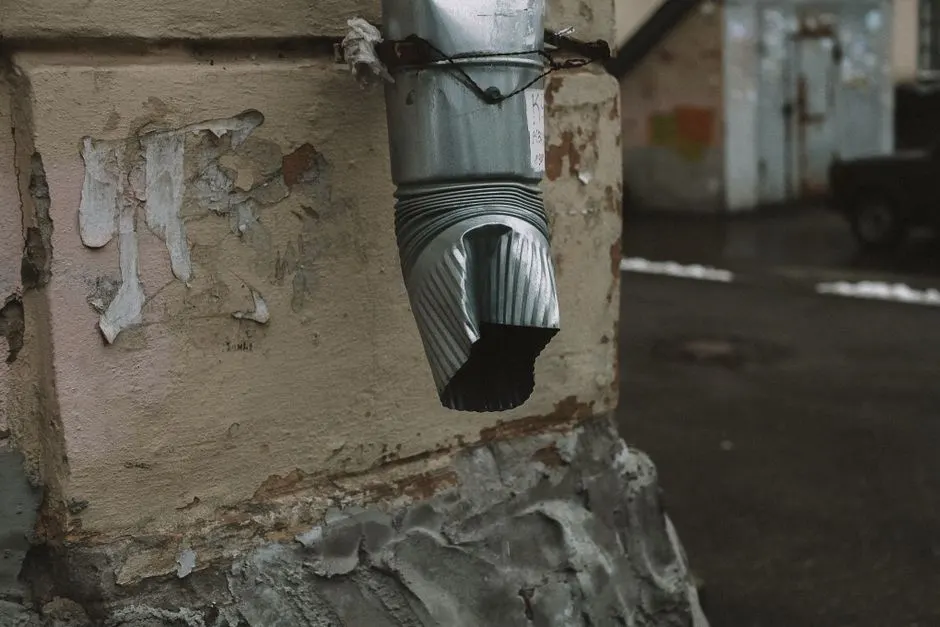
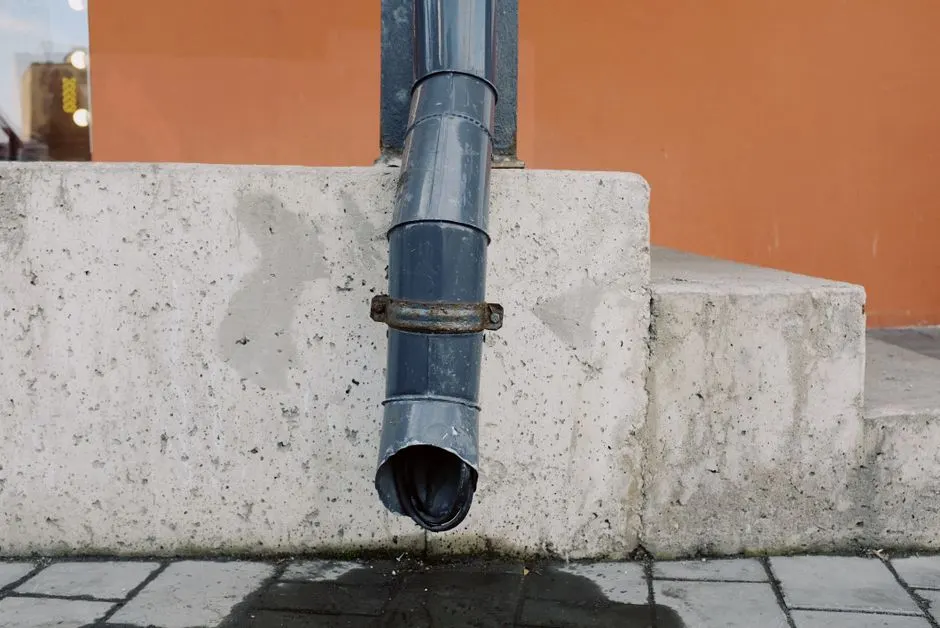
- Foundation-side water control — Water pooling close to a Westmont home's foundation should be traced to its source. We check nearby grading, downspout discharge, and drain connections, then direct runoff to a suitable collection route. The aim is to stop repeated water accumulation without simply moving it to another part of the property.