
Logo
Get Estimate

Trench Drain Installation and Repair in California

Keep runoff away from driveways, patios, and buildings


Trench Drain Installation and Repair in California gives homeowners and property managers a direct way to intercept surface water before it reaches a garage, walkway, or building entrance. We install and repair channel systems, restore dependable flow, and match the drain to the site. If runoff crosses a paved area or an existing grate keeps clogging, our team assesses the slope, outlet, and load before recommending a practical fix.

An old wheelbarrow on a gravel construction site, highlighting rustic work tools.
Licensed Licensed & Bonded
Fully Insured Insured & Bonded
24/7 Emergency Same-Day Response
Warranty Backed Workmanship Guaranteed

What Trench Drain Work Includes

Our service covers evaluation of surface flow, channel and grate selection, excavation or repair, outlet connections, and a post-work water test. We explain what the site requires before starting and give upfront pricing. Major paving replacement, extensive utility relocation, or a new downstream stormwater connection can add work beyond a basic channel project; we identify those needs during inspection so you understand the full repair plan.

Flow and Grade Check

We map where water travels across your driveway, patio, or entry and measure the surrounding elevations. This confirms whether a channel belongs at the low edge, across the flow path, or near a threshold, and helps avoid installing a drain that leaves the original puddle untouched.
Channel and Grate Fit

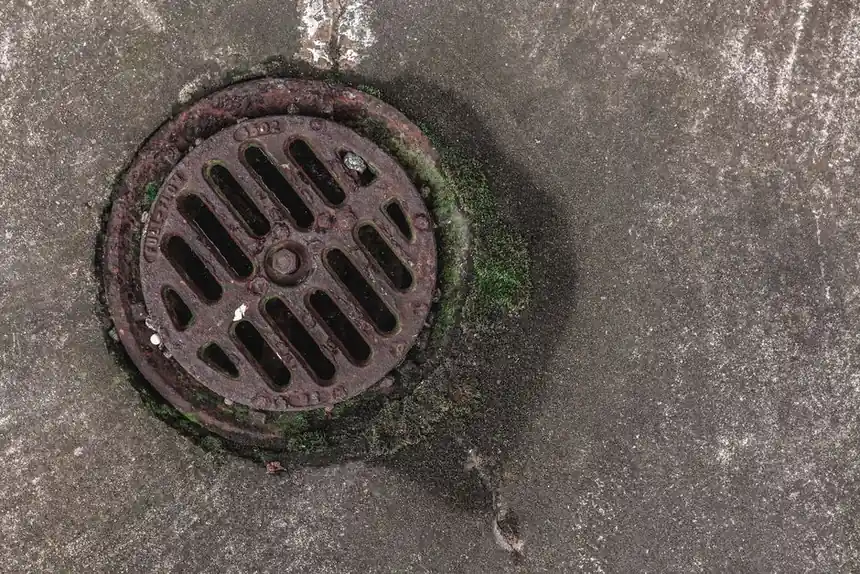
We match channel size and grate style to the opening, surface finish, and expected foot or vehicle traffic. The grate is set level with adjacent paving, secured against movement, and left accessible so you can remove debris during routine cleaning.

Outlet Connection Repair

We inspect the channel's outlet and connected pipe for blockage, separation, or poor alignment. Where needed, we replace compatible fittings and couplings, clear accumulated debris, and confirm that collected water reaches the intended discharge point rather than backing up under the grate.

Surface Restoration and Test

After installation or repair, we restore the immediate concrete or paving disturbed by the work and test the channel with water. We check for leaks, standing water, rocking grates, and slow discharge, then explain any curing period before you return vehicles to the surface.

Trench Drain Installation and Repair in California


Trench Drain Installation and Repair in California is a surface-water drainage service that captures runoff in a narrow grated channel and carries it to an approved outlet. We inspect the slope, pavement, discharge route, and expected traffic before choosing a channel width and grate. Installation includes excavation, a stable base, careful leveling, connections, and surface restoration; repair may involve resetting a settled channel, replacing a damaged grate, or clearing a blocked outlet. The system works best when the channel sits across the water's path, not merely where a puddle happens to form.

Across California, intense winter storms, dry compacted soils, coastal exposure, and hot inland summers create different drainage demands. A sloped driveway in San Jose needs a different layout from a courtyard in Victorville, even when both show standing water. Our California trench drain installation and repair work starts with identifying the source and destination of runoff. For trench drain installation for a driveway in California, we check vehicle loading, garage threshold height, and whether the discharge point can accept the collected flow.

What Happens During the Work

Trench Drain Installation and Repair in California follows a sequence that protects your property and verifies the water path before we close the work area. A straightforward repair can take a few hours; new channel installation often takes one to three working days, depending on length, concrete work, and curing.

01

Schedule

Call or book online — a real human picks up and confirms a 2-hour arrival window.

02

Diagnose

Licensed tech inspects on-site, then walks you through the cause and your options.

03

Fix

The job is completed to code and done right the first time — no shortcuts, no surprises.

04

Guarantee

Every job backed by a written workmanship warranty — and we stand behind it.

Tools and Installation Methods

Tools & Equipment

Pipe inspection camera

We inspect connected drain lines for roots, sediment, separated joints, or standing water without opening the entire route. The camera helps target repair work and confirms the downstream line is suitable for a channel connection.

Locating sonde and receiver

We trace a camera-equipped line underground and mark its route before excavation. Knowing the path helps us place the channel connection accurately and avoid digging blindly across the driveway or landscape.

Laser level

We use the level to establish finished elevations and check the channel's fall toward its outlet. Accurate grade helps prevent reverse flow, a raised grate, and water left standing in the channel.

Mini excavator

Where access and site conditions permit, a mini excavator removes soil efficiently for a longer trench. We use controlled excavation and protect adjacent paving, utilities, and landscaping while preparing a stable channel bed.

Hydro jetter

We use a hydro jetter on suitable blocked lines to remove accumulated sediment and debris. After clearing, we flush and test the outlet so a clean channel does not remain connected to a restricted pipe.

Methods & Standards

Grade-first channel layout

We establish the paving elevations and locate the path of surface water before marking the trench. The channel is then set to a consistent fall toward the outlet, with the grate aligned to surrounding concrete. This method avoids relying on appearance alone and makes the water path verifiable during the final test.

Bedded channel installation

We prepare a firm base, position the channel, connect the outlet, and support the assembly while surrounding concrete or paving is restored. Bedding and restraint reduce movement under foot or vehicle traffic. We keep joints aligned and use compatible fittings so the channel carries water without leaking into the trench.

Camera-led repair

When a channel backs up, we inspect the connected line before deciding whether to clean, reconnect, or replace a section. A camera view helps distinguish a simple obstruction from a separated pipe or collapsed passage. We complete the targeted repair and retest the channel and outlet together.

Code-aware stormwater routing

We plan the discharge around applicable California Building Standards Code provisions and local stormwater management requirements. Where geotextiles or drainage pipe are specified, we consider relevant ASTM standards. The goal is to collect surface flow without directing it onto a neighboring property or into an unsuitable connection.

When a Trench Drain Fits

01

Your sloped driveway carries rainwater straight toward a garage door or lower parking area.

What we do: We inspect the driveway grade, vehicle traffic, threshold elevation, and outlet capacity, then place a channel across the runoff path. We select a grate suited to the load and secure the channel in a stable bed. A test flow confirms water enters and clears the line instead of collecting along the garage edge.

→ Runoff is intercepted before reaching the garage, and the finished grate remains level with the driving surface for everyday vehicle access.

02

A paved patio sheds water toward an exterior door during concentrated winter rain.

What we do: We determine where the patio surface sends water and whether the nearby connection can handle the added flow. We install or repair a channel along the appropriate edge, connect it to a verified outlet, and restore the paving around the drain. We also check for a low spot that could bypass the grate.

→ Water has a defined collection point before reaching the doorway, reducing puddles and making the patio easier to use after rain.

03

A commercial service entrance has a damaged channel exposed to carts and delivery traffic.

What we do: We check the channel body, support, grate rating, and outlet for damage before reopening the work area. Our crew replaces failed components with a compatible assembly, sets the grate to the finished grade, and coordinates concrete curing with access needs. A flow test confirms the repair is clear.

→ The entrance can return to regular use after the specified curing period, with a stable grate and a tested route for surface runoff.

04

Water crosses a garage apron after landscaping changes alter the yard's runoff path.

What we do: We reassess the new grade and trace the surface flow before choosing a drain location. If a channel is appropriate, we connect it to an outlet that will not send runoff toward a neighboring lot. We also identify whether a blocked yard drain or catch basin is contributing to the overflow.

→ The drainage layout reflects the current landscape, captures the redirected flow, and reduces the chance that water will return to the garage apron.

Local Trench Drain Conditions Across California

Trench Drain Installation and Repair in California has to account for sharp differences in rainfall, soil, heat, and paved development. Northern coastal sites can receive concentrated winter rain and have narrow access between older buildings; inland communities face long dry periods that compact soil before storms arrive. In hotter regions, concrete work and curing need attention during high temperatures, while exposed coastal locations call for suitable corrosion-resistant components. Our team checks the actual grade and outlet rather than applying one layout statewide. California linear drainage system services also have to respect local stormwater management requirements, especially where a project changes how runoff leaves a property. For linear drain installation for patio runoff in California, we evaluate the patio edge, door threshold, nearby planting beds, and the destination of collected water. We coordinate excavation and restoration around driveways, shared access lanes, and occupied entrances, then test the route before closing the job.

Neighborhoods We Serve

  • San Jose residential driveways

    We account for compacted yard edges and garage aprons where runoff crosses older concrete. A cross-drive channel needs a confirmed outlet and a grate set flush with the existing surface.

  • Richmond hillside properties

    Sloped lots can move runoff quickly toward lower walkways and entries. We check the channel position and discharge route so collected water does not worsen erosion downslope.

  • Victorville paved yards

    Long dry periods can leave soils hard and runoff concentrated when rain arrives. We inspect the low points and channel outlet rather than assuming water will soak into surrounding ground.

  • Folsom garage approaches

    Where a driveway falls toward a garage, we verify the threshold and available connection before setting the channel. This helps catch flow without creating an uneven transition.

Local Conditions We Plan For

  • Winter storms deliver concentrated runoff to paved low points

    A short burst of rain can overwhelm a partly blocked channel or small outlet. We inspect grate openings and downstream capacity, then clear or repair restrictions before the next storm exposes the same weak point.

  • Hot inland afternoons affect concrete restoration and curing

    High surface temperatures can change how quickly repair material sets. We plan the placement and protect the restored edge as needed, then tell you how long to keep vehicles off the work area.

  • Coastal exposure and narrow access shape material choices

    Salt air, older paving, and tight side passages can complicate excavation and component selection. We measure access, protect adjacent finishes, and choose compatible channel and connection materials for the location.

Garage Apron Runoff Control

Before

A sloped driveway sent rain toward the garage, leaving a puddle about 8 feet wide after heavier storms. The existing surface grate sat above the concrete and collected leaves, while water still slipped past its low end. The owner had been pushing runoff away by hand, but the puddle returned with each storm.

After

We corrected the channel position, set a new grate flush with the driveway, and cleared the outlet line. A controlled hose test showed water entering along the full 10-foot channel and draining without backing up. The garage threshold stayed dry during the test, and vehicle access remained smooth across the finished grate.

Maintenance: Lift the grate and remove leaves or grit every one to three months, with extra checks before winter storms. Keep nearby yard debris out of the channel and report slow drainage before sediment hardens in the outlet.

Before

A patio drain had a cracked edge and a loose grate that rocked underfoot. Sediment accumulated at the outlet, so water lingered near the exterior door for several hours after rain. The property owner also noticed staining where water repeatedly crossed the paving and reached the wall.

After

We replaced the damaged channel section, stabilized its bedding, and cleared the connected line. The repaired 6-foot run passed a water test with no visible leakage at the joints, and the grate sat level with the patio. Water reached the outlet in under two minutes during the test instead of spilling toward the door.

Maintenance: Check the grate after leaf fall and after any nearby landscaping work. Remove visible debris promptly, and keep soil or mulch from covering the channel openings so surface water can enter freely.

Before

Runoff from a parking area crossed a commercial entrance and carried grit onto the floor. A short channel had a blocked catch basin, and delivery carts had loosened one grate. Staff were sweeping water during storms and placing temporary mats near the doorway.

After

We cleared the catch basin, reset the unstable grate, and tested the channel and outlet together. The entrance shed water through the full 12-foot run during a five-minute hose test, with no backup at the doorway. The repaired surface was reopened after the concrete reached its specified cure period.

Maintenance: Schedule a visual check monthly during wet periods and clear sediment from the basin before it reaches the outlet. Keep delivery routes clear of standing debris, and have a slow line inspected before the next storm.

Solve Runoff Before It Reaches Your Home

A surface channel is useful when water moves across hard paving faster than a yard inlet can collect it. We locate the crossing point, confirm an outlet, and build or repair the channel around the site's actual elevations. That approach helps prevent repeated pooling and damage at doors, pavement joints, and foundation edges.

Problem

Rainwater crosses the driveway and pools at the garage threshold

Repeated wetting can bring dirt into the garage, damage stored items, and push water beneath the door or toward the foundation.

Our Fix

We measure the driveway fall and set a channel across the runoff path, then connect it to a suitable outlet. We check the garage threshold height and test with water before leaving, so the grate catches flow without creating a raised lip or leaving a low pocket beside the door.

Problem

A patio channel backs up during a strong winter storm

Water can spill toward exterior doors, soak adjacent soil, and leave sediment on the paving after the storm passes.

Our Fix

We inspect the grate, channel interior, catch basin, and downstream line to find the restriction. A hydro jetter or drain snake can clear suitable blockages, while a damaged outlet or settled section gets repaired. We then run water through the full route to confirm the backup is resolved.

Problem

A cracked or loose grate leaves a trip hazard in the walkway

Movement can widen the concrete edge, let debris enter the channel, and make a frequently used entrance unsafe for residents or visitors.

Our Fix

We remove the unstable section, check the channel body and bedding, and replace damaged parts with a compatible grate. After resetting the assembly flush with the walkway, we verify that it stays firm under normal use and that water still enters freely.

Problem

Poor surface grading sends runoff toward a side wall

Water pooling at the building can erode nearby soil, dampen the wall base, and create recurring cleanup after each rainfall.

Our Fix

We identify whether a channel can intercept the surface flow or whether the grade and outlet also need correction. The layout directs collected water away from the wall and toward an appropriate discharge route, reducing foundation water pooling without simply shifting the problem to another part of the property.

Practical Results From Better Drainage

Practical Results From Better Drainage

A correctly placed channel intercepts water where it crosses hardscape, protecting the surfaces you use every day. We size the system around the contributing area, slope, and outlet rather than relying on a standard detail. That helps reduce repeat cleanouts and makes maintenance straightforward.

  • Capture Runoff at Entry

    A channel across a garage approach can collect sheet flow before it reaches the door. We set the grate to the finished surface and check the fall with a laser level, helping prevent a raised edge that catches tires or a low section that leaves a puddle. The result is a clear, usable entry during ordinary rain.

  • Protect Paved Surfaces

    Uncontrolled water can wash joint sand away, undermine pavement edges, and carry sediment toward foundations. We direct flow into a channel and suitable outlet, reducing erosion from uncontrolled runoff. A properly supported channel also limits movement at the concrete edge, where a loose grate or cracked bed often begins.

  • Restore Reliable Flow

    A clogged catch basin or broken outlet can make an existing drain ineffective even when the channel looks intact. We trace the line, remove accumulated debris, and test the discharge. For trench drain repair services California property owners need, the repair addresses the restriction or failed connection rather than masking it with surface patching.

  • Simplify Routine Cleaning

    Removable grates let you lift out leaves, grit, and litter without dismantling the pavement. We select a channel drain grate suited to the location and explain a practical cleaning schedule, often before the first major winter storm and again after heavy leaf fall. Clear access makes upkeep less disruptive.

Credentials and Work Standards

Licensed & Certified

  • California State Contractor License — issued by California Contractors State License Board
  • C-36 Plumbing Contractor classification — issued by California Contractors State License Board
  • C-8 Concrete Contractor classification — issued by California Contractors State License Board
  • OSHA excavation safety requirements — issued by Occupational Safety and Health Administration

Verified Reviews

Customer feedback Not stated

The crew found that the driveway channel itself was intact but its outlet had filled with sediment. They cleared the line, tested the flow, and showed me how to lift the grate for cleaning. That saved us from replacing a drain that only needed a proper repair.

Customer feedback Not stated

Our patio drain used to send water toward the back door. The team checked the slope, reset the channel, and ran water through it before finishing. The grate is level now, and the repaired concrete edge is much easier to walk across.

Customer feedback Not stated

They explained why water was crossing the service entrance and where the outlet went. The channel repair was completed with the area kept usable around the work. After the test, we saw water enter the drain instead of spreading over the floor.

Field Knowledge and Code Awareness

Our team approaches trench drains as part of a complete drainage route, not as a grate-only installation. We account for surface grading, soil behavior, outlet capacity, pedestrian access, and vehicle loads, then choose materials for the site. Work that affects plumbing or concrete is planned around the applicable California State Contractor License classifications and California Contractors State License Board requirements. We also review the California Building Standards Code and local stormwater management requirements where they apply. You get a clear explanation of the system, the repair, and the flow test performed before handoff.

  • We check grade and channel alignment with a laser level or transit level before concrete restoration begins.
  • Our technicians inspect connected lines with a pipe inspection camera when a hidden blockage or damaged joint is suspected.
  • We select grate and channel components for the site's pedestrian, driveway, or service-vehicle use.
  • Excavation planning accounts for buried utilities, safe trench access, and OSHA excavation safety requirements.
  • We compare drainage geotextile and pipe choices with applicable ASTM standards when the installation calls for them.
Get Started Today
Field Knowledge and Code Awareness

Cities We Serve Across California

Our crews deliver trench drain work across California, adjusting channel design to local slopes, paved surfaces, and stormwater requirements. From the Bay Area to inland communities and Southern California, we inspect the site before selecting the grate, outlet, and restoration approach. We provide linear drain installation and repair in California for residential driveways, patios, shared entrances, and commercial service areas. These city pages help you find service information for your community; tell us where water collects and what surface it crosses.

San Jose

We assess garage approaches and paved side yards, then position the channel across the actual runoff path. Outlet condition and driveway grade guide the repair or installation.

Victorville

We inspect hard, dry ground and concentrated flow paths before trenching. Channel placement and outlet capacity matter when stormwater runs quickly across paved yards.

San Bernardino

Our team checks driveway slopes, garage thresholds, and low areas where runoff gathers. We test the connected outlet before returning the paved surface to regular use.

Rancho Cucamonga

We plan channel work around driveway grades, patios, and landscaped edges, making sure collected water reaches a suitable outlet rather than pooling beside the paving.

Corona

We repair loose grates, clogged outlets, and channels that back up near garage aprons. A full flow test confirms the repair carries water away.

Orange

We work around established paving and property entrances, checking channel elevations and outlet connections before cutting concrete or replacing a damaged section.

Richmond

On sloped sites, we trace surface flow and check where the channel will discharge. Our layout helps prevent collected runoff from worsening erosion downslope.

West Covina

We assess driveway and patio runoff, confirm the available outlet, and set the grate flush with adjacent concrete for a stable everyday walking or driving surface.

Hesperia

We look for low points where runoff crosses hardscape after dry periods. The system is designed around the site's grade, channel length, and discharge route.

South Gate

We repair channels at driveways and service entrances, including blocked outlets and unstable grates. Testing verifies flow before the area returns to regular use.

Folsom

We check garage approaches and paved walkways for water crossing toward doors. Accurate grade-setting helps the channel catch runoff without creating a raised edge.

Lakewood

We inspect residential driveways and patio edges for pooling, then connect the channel to a functioning outlet and restore the surrounding paved surface.

Camarillo

We account for coastal exposure and site access when selecting channel components. Each installation includes a grade check and a water test through the outlet.

Eastvale

We evaluate newer paved areas, garage thresholds, and drainage routes where runoff collects. The channel is sized and set to match the surface and traffic.

Yorba Linda

We assess sloped driveways and landscape transitions, placing channels where they intercept surface flow and directing discharge away from buildings and neighboring properties.

Frequently Asked Questions

Real answers to the questions we hear most often from local homeowners and property managers.

How much does trench drain installation cost in California?
A residential trench drain project often costs $1,500 to $6,500 in 2026, depending on length, excavation, concrete removal, channel choice, and outlet work. A short grate or connection repair can cost less, while long driveway runs and difficult restoration raise the total. We inspect the route and give upfront pricing before work begins. Ask us to assess the specific surface and discharge point so the price reflects the actual job.
Who repairs trench drains near me in California?
Our drainage team repairs trench channels, grates, connections, and outlets across California, with site visits commonly arranged within a few business days. We identify whether the problem is a blocked channel, settled section, failed joint, or downstream restriction before recommending work. A California contractor to repair a damaged trench drain should test the flow after the repair; we do that before handing the area back.
When should I use a linear drain instead of a French drain?
Use a linear drain for surface runoff crossing paved areas; choose a French drain for subsurface water moving through soil. A grated channel catches water at the surface of a driveway, patio, or entry, while a French drain uses buried aggregate and perforated pipe to relieve wet ground. If both conditions exist, we assess each water source separately and design a coordinated route rather than expecting one drain type to solve both.
Can a trench drain control driveway runoff in California?
Yes, a trench drain can intercept driveway runoff when it is placed across the flow path and connected to an outlet with adequate capacity. We check the driveway slope, garage threshold, channel loading, and discharge route before installation. Linear drain installation for patio runoff in California follows the same principle: catch water at the surface, then carry it away without sending it toward a neighboring property or foundation.

Related Drainage Services

Yard Drainage Inspection and Diagnosis

We trace where runoff begins, how it crosses your property, and where it should discharge. An inspection can show whether a trench channel is the right fix or whether a blocked line, grading issue, or overloaded catch basin needs attention first.

View Yard Drainage Inspection and Diagnosis

Yard Drainage Repair

A trench channel is only one part of a drainage system. We repair failed connections, clogged outlets, and damaged yard drains that prevent collected water from leaving the property, then test the full route so the surface channel does not simply transfer the backup.

View Yard Drainage Repair

Yard Drainage Installation

When a property has no effective route for runoff, we plan a complete installation around its grade and discharge options. That may include a trench channel at pavement, pipe connections, and collection points positioned to reduce standing water.

View Yard Drainage Installation

Landscape Drainage Solutions

Landscape areas often need a different approach from hardscape. We combine surface collection with grading or buried drainage where appropriate, helping address a soggy lawn, erosion, or water pooling near a paved edge without directing runoff into planting beds.

View Landscape Drainage Solutions

French Drain Installation and Repair

French drains manage water moving below the soil surface, while trench drains capture water running over pavement. We inspect the conditions first and can repair or install the system that matches the source, including coordinated solutions when both surface and subsurface water are present.

View French Drain Installation and Repair

Channel Drain Installation and Repair

Channel drains provide the grated surface collection used across driveways, patios, and entries. We set the channel to grade, connect its outlet, and repair unstable sections or grates so water enters the system instead of remaining on the paving.

View Channel Drain Installation and Repair

Schedule Trench Drain Work in California

Stop driveway runoff before it reaches your garage or foundation. Our team inspects the channel, outlet, and surrounding grade, then explains the repair or installation and its upfront price. Call Northern California Drainage Experts at +13103881903 to arrange a site assessment.

Call Today Request Service

Talk With Our Team

Tell us where water collects, when you first noticed it, and whether it follows rain or irrigation. Call Northern California Drainage Experts at +13103881903 to discuss yard drainage work across California. Our phone line is open Monday through Friday, 8:00 a.m. to 6:00 p.m.; we will hear the details and help identify the next step.

Or call us right now at +13103881903 — we answer.

Northern California Drainage Experts


  • Phone

    +13103881903
  • Address

    California

  • Hours

    Mon–Fri: 7AM – 7PM
    Sat: 8AM – 4PM
    Sun: Emergency Only
    24/7 Emergency Available

Call +13103881903 Get Quote
Call Quote