
Logo
Get Estimate

Yard Drainage Installation in California for Drier Yards

Move excess water away from lawns, patios, and foundations


Yard Drainage Installation in California helps homeowners and property managers tackle standing water, soggy lawns, and runoff before water threatens a foundation or usable outdoor space. We assess your grading, soil, and discharge route, then design a drainage layout for your property and local conditions. Our team serves homes across California, from coastal lots to inland neighborhoods where intense seasonal rain meets compacted or sloping ground.

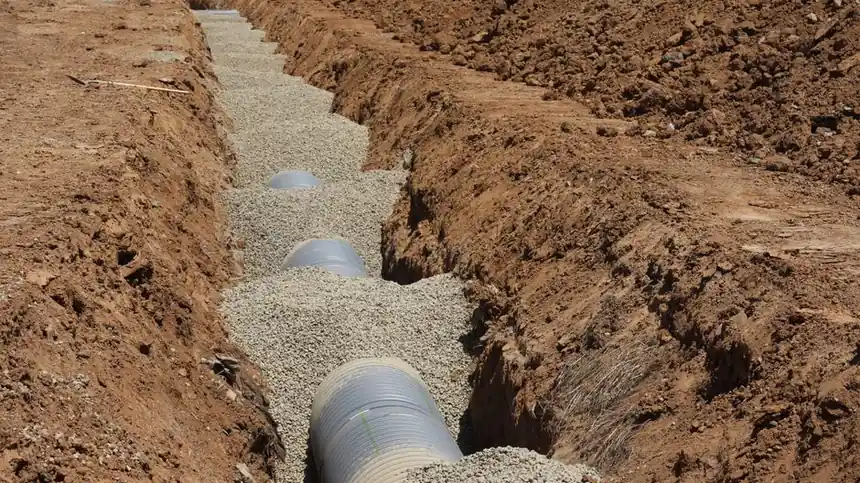
Detailed view of drainage pipe construction in a trench, Elk Grove, California.
Licensed Licensed & Bonded
Fully Insured Insured & Bonded
24/7 Emergency Same-Day Response
Warranty Backed Workmanship Guaranteed

What Yard Drainage Installation Includes

A standard installation covers the work needed to collect and route water through the planned system: site assessment, layout, excavation, compatible drainage components, connection, flow testing, and ordinary surface restoration. We explain any unusual site work before starting. Extensive concrete replacement, major landscaping reconstruction, or a discharge connection requiring separate approval is handled as a distinct part of the project when applicable.

Site and Grade Assessment

We inspect where water gathers, check the slope and soil, and identify a workable discharge route. Where an existing line is involved, we assess its condition before tying into it. This keeps the system design connected to the real cause of the wet area.
Drainage Layout and Excavation

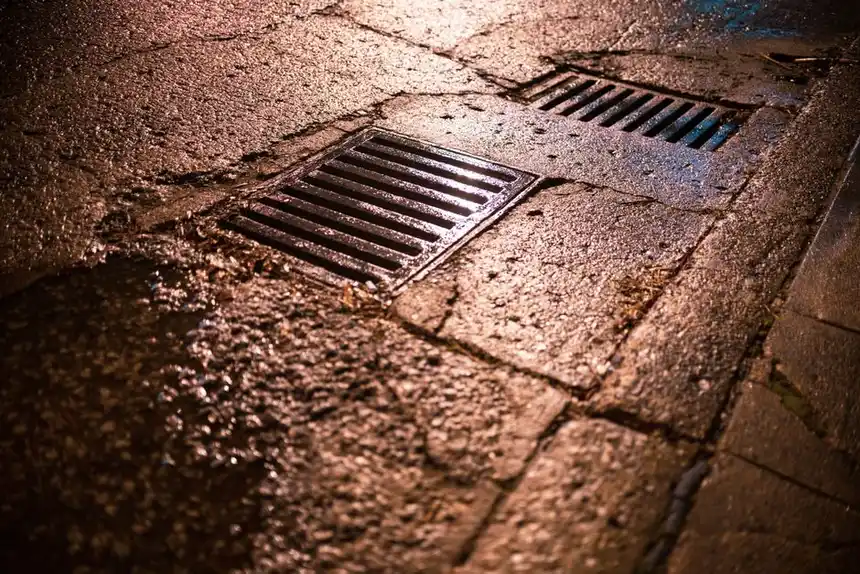
We mark the pipe route, inlet locations, and required elevations before digging. Excavation is limited to the planned work area, with the equipment selected for access and trench size. The crew takes care to protect nearby paths, planting, and surfaces.

Pipe, Inlets, and Connections

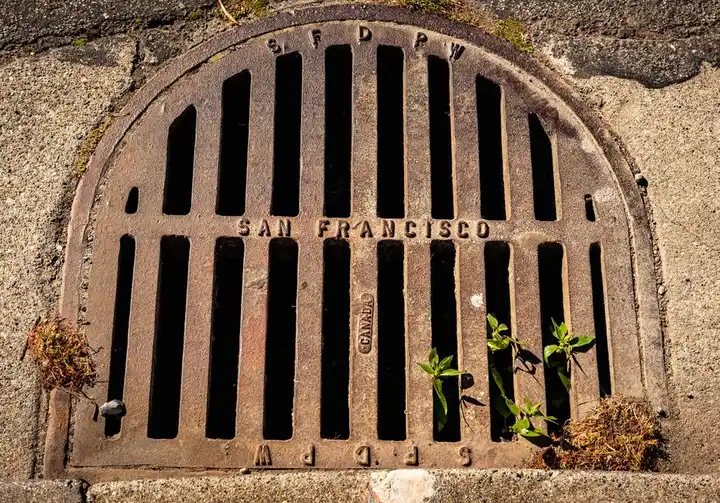
The system uses suitable pipe, fittings, gravel, and collection points for the site. Perforated pipe collects subsurface moisture; solid pipe conveys it to the outlet. Inlets and cleanouts are positioned where they can be reached for inspection and debris removal.

Flow Test and Restoration

After installation, we introduce water to confirm the inlet captures flow and the outlet carries it away. We backfill and compact the trench, then restore the disturbed surface to the planned finish. We also explain how to keep grates and access points clear.

Yard Drainage Installation in California: The Essentials


Yard Drainage Installation in California is a property drainage service that redirects excess surface and subsurface water away from lawns, structures, and hardscape when natural drainage is not enough. We start by tracing where water enters, where it collects, and where it can legally and safely discharge. Depending on the site, the plan may use surface grading, a catch basin, a French drain, or a channel drain. Pipe slope, gravel depth, fabric placement, and access for cleaning all matter; a buried pipe alone will not correct a low spot or an unsuitable outlet.

Across California, homeowners face different combinations of rainfall, soil, slope, and lot layout. A coastal yard can hold water in dense soil, while an inland property may need to control fast runoff from a roof, driveway, or hillside during winter storms. In older neighborhoods, additions and paved areas can alter the original drainage path. Our California yard drainage installation approach matches the system to those conditions. If you need professional yard drainage installation services in California, we inspect the problem area and explain the practical route before digging.

What to Expect During Installation

Yard drainage work follows a clear sequence: diagnose the flow, set elevations, install the selected system, and test the route. We explain each stage so you know where access is needed, how the yard will be protected, and what changes to expect as work progresses.

01

Schedule

Call or book online — a real human picks up and confirms a 2-hour arrival window.

02

Diagnose

Licensed tech inspects on-site, then walks you through the cause and your options.

03

Fix

The job is completed to code and done right the first time — no shortcuts, no surprises.

04

Guarantee

Every job backed by a written workmanship warranty — and we stand behind it.

Tools and Installation Methods

Tools & Equipment

Pipe inspection camera

We use a pipe inspection camera to view accessible existing drainage lines and locate breaks, standing water, or sediment. Seeing the interior helps us decide whether a connection is sound or needs correction.

Locating sonde and receiver

A locating sonde and receiver help trace compatible buried pipe routes from the surface. This reduces guesswork when connecting to an existing line or planning excavation around known drainage infrastructure.

Laser level

We use a laser level to establish elevations and check the intended fall along a trench. Accurate grade matters because a pipe that dips or runs uphill can hold water and collect sediment.

Trenching machine

A trenching machine opens a consistent narrow path for suitable pipe runs where access allows. It helps limit unnecessary disturbance compared with a wider excavation, while the crew protects adjacent paving and planting.

NDS drainage components

Where the design calls for them, NDS catch basins and fittings provide collection and connection points. We match components to the intended flow and install them so grates and access points remain serviceable.

Methods & Standards

Surface-flow and elevation survey

We observe where runoff begins, where it concentrates, and how the finished grades direct it. Elevations are checked along the proposed route so the system has a workable fall. This survey helps separate a grading problem from a blocked inlet or a saturated soil condition.

Separated collection and conveyance

We use perforated pipe to collect water from surrounding soil and solid pipe to carry collected water toward an outlet. The transition is planned to limit soil entry and preserve flow. This distinction helps prevent a system from trying to serve two different functions with unsuitable materials.

Geotextile and aggregate placement

Where the design requires a gravel trench, we use suitable filter fabric or geotextile fabric to separate soil from drainage aggregate. Washed rock provides open space for water movement around the pipe. Material selection follows site conditions and applicable ASTM standards for drainage geotextiles and pipe.

Controlled excavation and commissioning

We excavate to the planned line, install and connect the drainage components, then introduce water to confirm collection and discharge. Excavation practices follow OSHA excavation safety requirements. The final check includes inlet capture, visible flow at the outlet, and restoration of the disturbed surface.

When a New Drainage System Helps

01

Your lawn stays soft several days after rain, even though nearby hardscape has already dried.

What we do: We check the soil, grade, and drainage pattern to see whether subsurface water is trapped below the lawn. If an underground collection route is suitable, we install a gravel trench and perforated pipe that leads toward a safe discharge point. We test flow before restoring the turf area.

→ Water has a defined route out of the saturated zone, helping the lawn recover sooner and reducing muddy foot traffic across your yard.

02

Rainwater crosses a patio or driveway and gathers at a doorway, gate, or low threshold.

What we do: We locate the crossing flow and assess the finished surface elevation. A channel drain or catch basin can intercept runoff before it reaches the threshold, then connect to a solid pipe route. We set the grate to the surrounding grade and test the line with water.

→ The collection point captures surface runoff where it forms, making entrances and walkways easier to use during wet weather.

03

A hillside or neighboring grade sends water into your yard during intense winter rain.

What we do: We trace the incoming flow, review the property slope, and plan a collection route that manages water within the site. The design may combine surface grading with a drain along the edge of the affected area. We check local stormwater requirements before settling on the discharge approach.

→ Runoff follows a planned path instead of cutting through soil, planting beds, or outdoor living areas.

04

A previous French drain no longer clears water and leaves the same patch saturated.

What we do: We inspect the existing route for sediment, crushed pipe, poor slope, or a restricted outlet. A drain snake or inspection camera helps identify accessible faults. We repair usable sections where practical or replace the failed run with a layout that includes serviceable access points.

→ You get a system based on the actual failure, with an understandable maintenance route rather than another blind replacement.

How Installation Works Across California

California yard drainage installation has to match the site, not a statewide template. Coastal properties can face compacted soils and concentrated runoff from closely spaced roofs, while inland yards may receive short, heavy winter storms after long dry periods. In hillside settings, slope and erosion control influence where a drain can go; in flatter valley neighborhoods, small elevation changes can decide whether gravity drainage is practical. We check grades, soil, existing pipes, and the intended discharge route before choosing a system. Local stormwater management requirements and the California Building Standards Code can affect how a project is handled, particularly when drainage approaches public infrastructure or changes runoff patterns. Our team coordinates the work around access, paving, and landscaping, then tests the route before restoring the yard. If you need to install a yard water management system in California, we plan for both the wet-season flow and ongoing access for cleaning. That includes locating catch basins where leaves can be removed and keeping outlets clear of planting or stored materials.

Neighborhoods We Serve

  • Berkeley hillsides

    Steeper lots need careful elevation checks so a new route controls runoff without accelerating erosion or sending water toward a lower neighboring property.

  • San Mateo residential blocks

    Compact lots and established landscaping call for a carefully marked trench route, especially where downspouts, walkways, and older buried lines share limited space.

  • Stockton valley yards

    Flatter grades can leave little natural fall, so we verify elevations early and confirm that the selected outlet can carry water away reliably.

  • San Diego coastal neighborhoods

    Hardscape and roof runoff can concentrate water on smaller lots; we focus on surface capture and a discharge route that protects entrances and planted areas.

Local Conditions We Plan For

  • Intense winter rain following long dry periods

    Dry ground can shed water quickly when a storm arrives, sending runoff across compacted soil and paved surfaces. We size collection points for the contributing area and test that the outlet carries flow without backing up.

  • Clay-rich or compacted soil with limited infiltration

    Water may remain near the surface instead of soaking away, leaving lawn areas saturated. We assess soil and choose a collection route that does not depend on infiltration alone where the ground cannot accept the flow.

  • Hillside lots with erosion-prone runoff paths

    A poorly placed outlet can increase water speed and wash soil downhill. We check the full route and discharge location, then use collection and conveyance components that guide runoff without creating a new erosion channel.

From Soggy Lawn to Usable Space

Before

A low strip of lawn held water after every major storm. The grass thinned, the soil stayed soft, and walking to the garden meant crossing a muddy patch. A shallow surface dip was visible, but water also moved below the lawn, so simply raising the grade would have pushed the problem toward the fence.

After

We installed a subsurface collection route through the affected strip and directed it toward a suitable outlet. Water now has a path below the turf instead of settling at the low point. After a rain test, the crew restored the trench and confirmed that the lawn surface remained even across the repaired area.

Maintenance: Keep nearby inlets and the discharge point clear of leaves and grass clippings. Check the outlet after the first heavy storm and once each autumn. If the wet patch returns, note how long it lasts and call for an inspection before adding soil.

Before

Rainwater from a paved area crossed the side path and pooled beside an exterior doorway. The threshold stayed wet, and grit collected against the wall. The existing grade directed water toward the building, while the narrow walkway left little room for a wide excavation.

After

We set a channel drain across the flow path and connected it to solid conveyance pipe. The grate was aligned with the walking surface, and water passed through the outlet during testing. The installation redirected surface flow before it reached the entrance without requiring the entire walkway to be rebuilt.

Maintenance: Lift or clear the grate periodically to remove leaves and sediment, especially after windy autumn weather. Keep the outlet unobstructed and check that the channel remains flush with nearby paving. Prompt attention to a loose grate helps preserve safe footing.

Before

Runoff traveled downhill through planting beds, carrying mulch and soil toward a lower patio. Each storm left a narrow erosion channel, and sediment gathered along the paving edge. Water had no collection point before it reached the bottom of the slope.

After

We installed an upper collection point and routed the captured flow through a buried line to an appropriate discharge area. The system was tested with water before the planting bed was restored. Runoff now enters a defined route, reducing the amount of loose soil reaching the patio during storms.

Maintenance: Inspect the basin after storms and remove sediment before it reaches the pipe connection. Keep the outlet free of vegetation and avoid covering the inlet with mulch. A seasonal check helps catch debris buildup before the next rainy period.

Solve the Causes of a Soggy Yard

A wet patch is often a symptom, not the whole problem. We look for the path water takes from roof edges, slopes, paved areas, and saturated soil before choosing a fix. A yard drainage system installation for a soggy lawn in California should relieve the affected area without moving runoff into another part of your property.

Problem

Standing water remains on the lawn after winter storms

Repeated saturation can kill grass, compact the soil, and leave a muddy route across the yard. Water that keeps returning to the same low point can also flow toward nearby structures.

Our Fix

We map the low area and check whether surface grading, an inlet, or a subsurface drain will collect the water most effectively. We then route it toward a suitable outlet and test the installed system. The design addresses the source and flow, not just the visible puddle.

Problem

Downspout runoff pools beside the foundation

A short, concentrated roof discharge can saturate soil near the house and leave water standing beside the foundation. Repeated pooling can make access difficult and contribute to damp conditions at lower levels.

Our Fix

We trace the downspout discharge, check the nearby grade, and design a route that carries roof water away from the structure. Where appropriate, we connect it to solid conveyance pipe and confirm the endpoint will not send flow back toward the building.

Problem

A blocked yard drain backs water into walkways

When an inlet or pipe cannot pass runoff, water spreads across paths, patios, or gate openings. Debris and sediment can make the problem recur during each heavy shower.

Our Fix

We inspect the inlet and line to distinguish blockage from a collapsed or poorly graded section. After clearing or correcting the fault, we test the flow and leave access to the collection point. A new installation is recommended only when the existing route cannot be made functional.

Problem

Runoff cuts channels through sloped planting beds

Fast-moving water can carry mulch and soil downhill, expose roots, and deposit sediment at the bottom of the yard. The same flow may cross a walkway or collect near a retaining feature.

Our Fix

We identify where runoff gains speed and install collection or conveyance components to control its route. Depending on the layout, this may involve a channel drain, basin, or adjusted grade. We check the discharge point so redirected water does not create erosion elsewhere.

What a Proper Drainage Plan Delivers

What a Proper Drainage Plan Delivers

A well-designed drainage system gives water a controlled path instead of leaving it to find its own way across your property. We focus on outcomes you can see: less standing water, protected access routes, and a layout that remains serviceable after installation.

  • Dryer, Usable Lawn

    A soggy lawn can stay soft for days after a storm and leave muddy tracks through the house. We identify the collection point, check the grade, and direct water into a suitable drain or infiltration area. A yard drainage system installation in California designed around your soil helps restore usable lawn space instead of simply hiding water below the surface.

  • Less Water at Foundations

    Water pooling beside a foundation can wet crawl spaces, damage finishes, and expose weaknesses in the surrounding grade. We move runoff away from the structure and verify that the discharge point does not send it straight back toward the house. Keeping surface water moving reduces repeated saturation at the same vulnerable edge.

  • Controlled Runoff Paths

    Uncontrolled runoff can wash soil from planting beds, cross walkways, or collect at a gate. We shape the route with grading and drainage components suited to the flow, then test it with water. For properties with hardscape, a channel drain or catch basin can capture concentrated flow before it crosses the yard.

  • Easier Seasonal Maintenance

    A drainage system works better when its inlets and cleanout points remain accessible. We plan for debris removal and periodic flushing, rather than burying every connection beyond reach. That makes it easier for you to clear leaves after autumn storms and check that outlets remain open before the next rainy stretch.

Standards and Workmanship

Licensed & Certified

  • California State Contractor License — issued by California Contractors State License Board
  • C-36 Plumbing Contractor classification — issued by California Contractors State License Board
  • C-8 Concrete Contractor classification — issued by California Contractors State License Board

Verified Reviews

Customer feedback Not stated

The crew found that our yard drain was blocked rather than assuming the whole system needed replacement. They cleared the line, checked the inlet, and ran water through it before leaving. That saved unnecessary digging, and the low area drained properly after the next rain.

Customer feedback Not stated

We had runoff crossing the patio whenever the gutters filled during a storm. The team showed us where a channel drain would intercept it, set the grate level with the paving, and tested the outlet. The work area was restored, and the patio stayed clear in the next downpour.

Customer feedback Not stated

Our lawn stayed muddy near the back fence long after the rest of the yard dried. The installer checked the slope and soil before recommending a French drain. They explained the pipe route and showed us where to check the outlet. The wet area is now much easier to maintain.

Drainage Know-How That Shows

Our local experience covers residential yards, landscape retrofits, and drainage routes shaped by different California soils and lot conditions. We base recommendations on observed water movement, grade, and a workable outlet rather than selling the same layout for every property. Installation work is planned with applicable California State Contractor License and California Contractors State License Board licensing requirements in view. Where a project touches plumbing or concrete work, the relevant C-36 Plumbing Contractor or C-8 Concrete Contractor classification may apply. We also account for local stormwater management requirements and applicable California Building Standards Code provisions.

  • We check elevations with a rotary laser or transit level so the pipe route maintains a positive fall toward its planned outlet.
  • Our crew distinguishes collection pipe from conveyance pipe and selects perforated PVC pipe or solid PVC pipe for the correct function.
  • We plan excavation around existing utilities, access limits, hardscape, and OSHA excavation safety requirements.
  • We consider ASTM standards for drainage geotextiles and pipe when choosing suitable materials for the site conditions.
  • We leave accessible inlets and cleanout locations so you can inspect the system and clear debris without reopening the yard.
Get Started Today
Drainage Know-How That Shows

Cities We Serve Across California

Our California service area spans coastal communities, inland valleys, and foothill neighborhoods, with installation plans adapted to each property's grades, soils, and stormwater conditions. We serve homeowners in cities including San Diego, Stockton, Berkeley, and San Mateo, as well as communities throughout the state. For yard drainage system installation in California, we assess your site and coordinate the right layout for its water source and discharge route.

San Diego

We assess roof runoff, paved yards, and low points, then route water away from entrances and planting areas with a system matched to the lot.

Stockton

Flatter grades require careful elevation checks. We confirm the available fall and outlet before choosing a basin, pipe route, or surface grading correction.

Chula Vista

Our installation plans capture water crossing patios and side yards, with discharge routes selected to keep flow away from foundations and walkways.

Hemet

We look for runoff from roofs, compacted ground, and sloped areas, then build a collection route suited to the property's soil and elevations.

Palmdale

Where yards have limited natural fall, we verify grades and outlet options before installing a system that could otherwise hold water in the line.

Santa Maria

We address standing water and concentrated roof runoff with appropriately placed inlets and drainage routes that preserve access across the yard.

Berkeley

On sloping properties, we check how runoff moves between planting beds, paths, and structures, then control the route to limit erosion.

Menifee

We assess yard grades, downspout discharge, and soil conditions before selecting surface capture or subsurface drainage for recurring wet areas.

San Mateo

Compact residential lots call for careful routing around paths, landscaping, and existing buried lines. We keep the excavation plan focused on the problem area.

Carson

We identify where runoff collects near hardscape or structures, then install an accessible collection point and confirm that the discharge route flows.

San Ramon

We account for slope changes and runoff from landscaped areas, directing collected water through a planned route that avoids creating erosion elsewhere.

Rancho Cordova

For yards with low spots or roof-water pooling, we check the available fall and design collection points that remain easy to inspect.

Alameda

We plan drainage around paved surfaces and limited yard space, prioritizing effective surface capture and a practical route away from the home.

Lake Elsinore

Our team checks runoff paths, soil, and grade to manage water entering from sloped areas or collecting beside patios and lawns.

Union City

We diagnose soggy lawn areas and blocked inlets, then install or correct a system that moves water to a suitable, serviceable outlet.

Frequently Asked Questions

Real answers to the questions we hear most often from local homeowners and property managers.

How much does yard drainage installation cost in California?
A residential drainage project commonly costs $2,500 to $12,000 in 2026, depending on length, excavation, materials, and surface restoration. A short surface-drain run costs less than a deep French drain with extensive grading or hardscape removal. We inspect the water source and discharge route before pricing the work. Upfront pricing identifies the planned system and the main cost drivers, so you can compare a targeted repair with a full installation.
What type of drainage system should I install in my yard?
The right system depends on whether water runs across the surface, rises through saturated soil, or collects at a low point. A French drain can intercept subsurface water, while a catch basin or channel drain captures concentrated surface flow. We check slope, soil, and outlet capacity before recommending one. A yard drainage system installation in California should move water to a suitable destination without creating a new flooding problem.
Who installs yard drainage systems near me in California?
Northern California Drainage Experts installs residential yard drainage systems across California, including assessment, excavation, pipe placement, and flow testing. If you are searching for a residential yard drainage installation near me, we review your property conditions and the available service route before proposing a layout. Confirm that the contractor's licensing classification matches the work involved, especially where plumbing connections or concrete construction are part of the project.
How long does residential yard drainage installation take?
A straightforward installation often takes one to two working days; larger projects commonly take three to five days. The timeline depends on trench length, soil, access, buried utilities, and how much paving or landscaping needs restoration. We begin with layout and elevation checks, then excavate, install, test, and restore the work area. Heavy rain or unexpected buried obstructions can extend the schedule, but testing is completed before the job is considered finished.

Related Drainage Services

Yard Drainage Inspection and Diagnosis

Inspection pinpoints why a yard stays wet before a new system is designed. We check grading, inlets, existing pipe, and discharge conditions, then use those findings to determine whether installation, clearing, or a smaller correction is the right next step.

View Yard Drainage Inspection and Diagnosis

Yard Drainage Repair

A failed or blocked line can mimic a need for a brand-new system. We locate damaged sections, clear obstructions, and check flow before recommending replacement. Repair can preserve sound parts of an existing installation and limit disruption to your lawn.

View Yard Drainage Repair

Landscape Drainage Solutions

Landscape drainage solutions combine grading, collection points, and subsurface routes to manage water around planting beds and outdoor living areas. We coordinate drainage with your yard layout so new work does not undermine paths, patios, or established landscaping.

View Landscape Drainage Solutions

French Drain Installation and Repair

French drains collect water moving through saturated soil and carry it through a gravel-and-pipe trench. We set the depth and route according to site elevations, then provide access for future checks. Existing French drain failure calls for diagnosis before replacement.

View French Drain Installation and Repair

Trench Drain Installation and Repair

Trench drains capture water across a long, narrow surface such as a driveway edge or patio entrance. We set the channel to the finished grade, connect the outlet, and choose a grate suited to the location and expected foot or vehicle traffic.

View Trench Drain Installation and Repair

Channel Drain Installation and Repair

A channel drain provides linear surface capture where water crosses hardscape. We plan its position around doorways, slopes, and paving joints, then connect it to a suitable discharge route. Repair addresses broken sections, loose grates, or poor flow.

View Channel Drain Installation and Repair

Get Yard Drainage Installation in California

If standing water is damaging your lawn, pooling near your home, or crossing a walkway, we can trace the cause and plan a route that fits your property. Our licensed installation work includes flow testing before restoration. Call Northern California Drainage Experts to schedule an assessment.

Call Our Team Book an Assessment

Talk With Our Team

Tell us where water collects, when you first noticed it, and whether it follows rain or irrigation. Call Northern California Drainage Experts at +13103881903 to discuss yard drainage work across California. Our phone line is open Monday through Friday, 8:00 a.m. to 6:00 p.m.; we will hear the details and help identify the next step.

Or call us right now at +13103881903 — we answer.

Northern California Drainage Experts


  • Phone

    +13103881903
  • Address

    California

  • Hours

    Mon–Fri: 7AM – 7PM
    Sat: 8AM – 4PM
    Sun: Emergency Only
    24/7 Emergency Available

Call +13103881903 Get Quote
Call Quote