Logo
Get Estimate

Yard Drain and Inlet Installation and Repair in California

Move stormwater away from lawns, walkways, and foundations


Yard Drain and Inlet Installation and Repair in California gives homeowners and property managers a direct fix for standing water, clogged inlets, and recurring yard flooding. We inspect how water moves across your property, then install or repair the inlet and pipe connection that carries it away. Our California yard drain and inlet installation is planned for your soil, slope, planting, and local runoff conditions, with a final flow test before we leave.

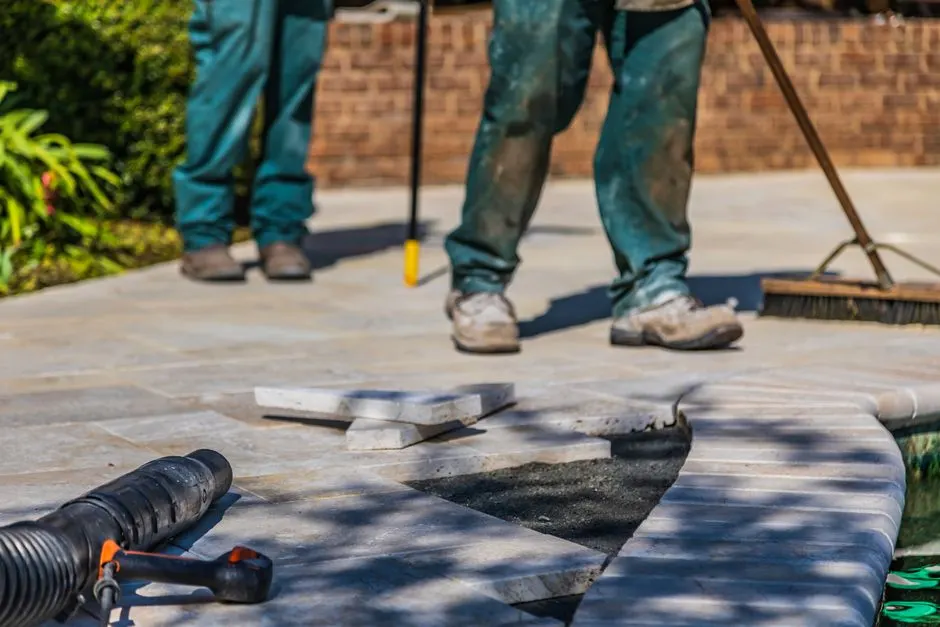
Workers laying tiles on an outdoor patio under sunlight.
Licensed Licensed & Bonded
Fully Insured Insured & Bonded
24/7 Emergency Same-Day Response
Warranty Backed Workmanship Guaranteed

What Yard Drain And Inlet Work Includes

Our service covers inspection and repair or installation of the inlet, basin, and connected yard pipe needed to capture and move surface runoff. We confirm the route and outlet, then test the finished system. Broader grading changes, long-distance storm drain connections, concrete replacement, and major landscape reconstruction are separate work scopes when the property requires them; we explain the distinction before proceeding.

Inlet And Basin Check

We inspect the grate, basin, connections, and surrounding surface for cracks, movement, sediment, and poor elevation. If the existing components remain serviceable, we focus on the failed part rather than replacing the whole assembly.

Pipe Route Diagnosis

We trace accessible pipe and check for blockage, separation, or damage. Camera inspection and locating equipment help us narrow the work area where the line allows access, reducing avoidable digging through lawn or planting.

Installation Or Repair

Work can include setting a new catch basin, replacing a grate, repairing pipe fittings and couplings, or connecting a new drain run. We select materials to suit the load, soil, and intended discharge.

Flow Test And Cleanup

We run water through the repaired or new inlet and confirm it reaches the outlet. After backfilling, we secure the grate, remove job debris, and show you the completed work and basic maintenance steps.

Yard Drain and Inlet Installation and Repair in California


Yard Drain and Inlet Installation and Repair in California is a drainage service that captures surface runoff at a yard inlet and conveys it through a connected pipe to an approved discharge point. We assess the low spots, inlet elevation, pipe route, and outlet before digging. Depending on the site, work may include resetting a catch basin, replacing a broken grate, clearing a blocked yard drain, or installing solid PVC pipe with drainage gravel and filter fabric where appropriate. We test the finished line with water so you can see whether flow is moving freely.

Across California, a single drainage layout does not suit every property. Winter storms can expose poor surface grading in coastal and northern regions, while intense seasonal downpours, compacted soils, or irrigation runoff create different problems inland. Our yard drain inlet services in California address soggy lawns, foundation water pooling, and erosion from uncontrolled runoff. For yard drain and inlet installation for surface water in California, we check both the inlet and the route downstream; replacing a grate alone will not solve a crushed or obstructed pipe.

What To Expect During The Work

Yard drain installation and repair follows a practical sequence: find the source, map the route, correct the defect, then test the system. We explain each step in plain language and keep you informed while work is underway.

01

Schedule

Call or book online — a real human picks up and confirms a 2-hour arrival window.

02

Diagnose

Licensed tech inspects on-site, then walks you through the cause and your options.

03

Fix

The job is completed to code and done right the first time — no shortcuts, no surprises.

04

Guarantee

Every job backed by a written workmanship warranty — and we stand behind it.

Tools And Installation Methods

Tools & Equipment

Pipe inspection camera

We feed a camera into an accessible line to identify sediment, roots, separated joints, or a damaged pipe section before selecting a repair.

Locating sonde and receiver

A sonde marks the camera head location from the surface, helping our crew trace a buried route and limit excavation to the area that needs attention.

Laser level

We compare elevations at the inlet, yard low points, and discharge route to detect reverse slope and set the grate at a useful collection height.

Trenching machine

For a longer, accessible pipe run, a trenching machine opens a narrow route efficiently; we use smaller or hand methods where landscaping and access require more control.

NDS catch basin

A compatible basin provides a collection point for surface runoff and access for clearing debris. We match the basin and grate arrangement to its location and the connected pipe.

Methods & Standards

Camera-led fault isolation

We inspect accessible piping before opening the yard. If the camera shows an obstruction or damaged joint, the locating sonde helps mark its position. This evidence guides whether cleaning, a coupling repair, or excavation is appropriate, avoiding a broad replacement based only on surface symptoms.

Grade and inlet elevation check

We use a laser or transit level to compare the grate with the finished lawn or paving and verify the route's fall. The inlet must collect water without sitting proud as a trip point. We also consider where the outlet can discharge under applicable local requirements.

Bedded pipe installation

Where the design calls for it, we place solid PVC pipe on a stable, shaped bed and support connections so the line keeps its intended alignment. A perforated PVC pipe with drainage gravel and filter fabric serves a different subsurface collection purpose; we do not substitute it for a surface conveyance line without a reason.

Flow and grate verification

After installation or repair, we introduce water at the inlet and watch for free movement at the outlet. We check for leakage at accessible connections, verify the grate is stable, and confirm the basin does not retain abnormal standing water after the test.

When To Install Or Repair An Inlet

01

A low lawn corner stays wet for two days after rain and the nearby basin drains slowly.

What we do: We check whether the basin is full of sediment, whether the grate opening is clear, and whether the connected pipe has a restriction. If the basin elevation is wrong, we reset it; if the line is blocked, we clear or repair the affected section and test the outlet.

→ Water reaches the inlet instead of lingering in the lawn, and you have a tested route that carries runoff away from the low corner.

02

A driveway or patio sends sheet flow toward a doorway during intense seasonal rain.

What we do: We evaluate the surface grade and identify where a channel or yard inlet can intercept flow. We check available pipe routes and local discharge requirements before installing a basin or connecting to an existing line. The finished grate is set to meet the paving cleanly.

→ Runoff is intercepted before reaching the doorway, reducing wet entry areas and the chance of water tracking into the building.

03

A homeowner sees water return through an inlet after clearing leaves from the grate.

What we do: We inspect below the grate for a clogged catch basin, then trace the pipe for blockage or damage. Camera access can help locate a defect; the repair may be cleaning, a coupling replacement, or a short pipe section rather than full system replacement.

→ The actual restriction is addressed, and a flow test shows whether the inlet and downstream line now drain freely.

04

A replacement inlet is needed after landscaping changes alter the slope and runoff path.

What we do: We recheck elevations with a laser level, then position the inlet to capture water from the revised grade. We confirm pipe size, compatible fittings, and the discharge route before installation. The work is coordinated around established planting and access limits.

→ The inlet matches the new landscape and collects runoff at the intended low point instead of leaving a wet strip along the edge.

How California Conditions Shape Drainage Work

Yard Drain and Inlet Installation and Repair in California changes with rainfall, soil, slope, and built surfaces. In coastal communities, seasonal storms meet mature landscaping, older paving, and narrow access; in inland valleys and desert communities, compacted or dry soil can shed water quickly during intense rain. We inspect the property rather than assuming one regional detail applies everywhere. Local stormwater management requirements and the California Building Standards Code guide how runoff is handled, especially where a yard line approaches a public system. Our yard drain grate and inlet replacement California work includes checking grate height against lawn or paving and confirming the connected route. For California repair for a blocked yard drain inlet, we distinguish debris in the basin from a downstream obstruction before opening the ground. October is a useful time to clear leaves and test drainage before winter storms; we also check systems after heavy rainfall and after landscape or paving changes. This site-specific approach helps manage standing water without sending runoff toward a neighbor or building.

Neighborhoods We Serve

  • Los Angeles

    Dense paving and mature planting can restrict access, so we map the inlet route before excavation and protect nearby walks, walls, and landscaping.

  • Sacramento

    Seasonal storms can expose flat grades and low yard corners; we check inlet elevation and the outlet route before adding capacity.

  • San Francisco

    Tight lots and paved courtyards call for careful equipment selection and compact excavation around existing surfaces and building entries.

  • San Diego

    Irrigation runoff and short periods of heavy rain can reveal a drainage weakness, so we test the full inlet-to-outlet path.

Local Conditions We Plan For

  • Winter rainfall follows a long dry period and runs off compacted ground.

    Water may arrive faster than a low-capacity inlet can collect it, particularly where soil is hard or paving directs flow. We check the contributing area, basin opening, and discharge before deciding whether repositioning or added capacity is needed.

  • Mature roots and established landscaping cross the pipe route.

    Roots can enter damaged joints, while excavation can disturb valuable planting. We use camera and locating tools where access allows, then keep the repair confined to the verified fault and choose a route that avoids unnecessary root disturbance.

  • Local stormwater rules restrict where collected runoff may discharge.

    A functioning inlet still needs a suitable outlet. We review the property's available discharge route and applicable local requirements before connecting or redirecting water, reducing the risk of sending runoff to an unsuitable location.

Recurring Lawn Pool Cleared

Before

A low lawn area held about 2 inches of water after a strong storm. The grate was partly clear, but the basin collected sediment and the connected pipe drained slowly. Water remained into the following day and softened the turf beside a walkway.

After

We cleared the basin, found a downstream obstruction, and restored flow through the existing line. The inlet drained during a hose test, and the lawn no longer held visible standing water after the next rainfall. The repair was confined to the basin and affected pipe section.

Maintenance: Remove leaves from the grate after windy weather and inspect the basin twice a year. If water remains more than a few hours after ordinary rain, have the line checked before sediment builds up again.

Before

A loose grate sat unevenly at the edge of a paved path. It shifted underfoot, caught leaves at one corner, and allowed runoff to bypass the inlet during heavy rain. The surrounding basin rim had also begun to move.

After

We reset the basin rim, fitted a compatible grate, and aligned it with the paving surface. The assembly remained stable during a load check, and a water test showed flow entering the opening rather than crossing the path. No broad paving removal was needed.

Maintenance: Keep the grate opening clear and check that it stays level after major landscape work. Avoid driving equipment over a grate not designed for vehicle loading, since excess weight can shift the basin or break its support.

Before

A sloped patio sent rainwater toward a side doorway, leaving a wet strip and carrying mulch onto the paving. A small yard drain nearby sat above the lowest point, so much of the flow passed it without entering.

After

We adjusted the inlet position to meet the actual low point and repaired the short connecting pipe. Water entered the basin during a controlled test and reached the outlet without backing up. The doorway approach stayed clear during the next rain event.

Maintenance: Keep the approach clear of leaves and check the inlet after patio or garden changes. If new paving alters the slope, recheck the low point so runoff still reaches the drain rather than bypassing it.

Solve Yard Drain Inlet Flooding Problems

A yard drain inlet repair for a flooded lawn in California starts by finding why water cannot leave the property. We check the surface, basin, pipe, and discharge rather than treating a puddle as an isolated symptom. Correcting the underlying restriction helps protect planting, paths, and nearby foundations.

Problem

Water pools around a grate after each winter storm.

Repeated standing water softens soil, damages lawn roots, and can push runoff toward a foundation or walkway. The same puddle returning points to a blocked inlet, inadequate grade, or a restricted outlet.

Our Fix

We clear the basin and inspect the pipe connection and outlet for obstructions or damage. If the inlet sits too high or low, we reset it to collect runoff properly. We finish with a water test so you can confirm the pool drains rather than simply watching the grate get cleaned.

Problem

A cracked or loose inlet grate creates a trip hazard.

A shifting grate can catch shoes, admit large debris, or expose the basin opening. Continued movement may damage the basin rim and make the entire assembly harder to secure.

Our Fix

We check grate dimensions and basin condition, then replace the grate or reset the assembly with compatible parts. We verify that it sits stable and flush with the surrounding surface. If the basin itself is cracked, we explain the replacement needed instead of fastening a new grate to a failed base.

Problem

A buried line backs up despite a clean catch basin.

A downstream blockage or crushed section prevents collected water from reaching its outlet. During heavy rain, that restriction can force water back through the inlet and spread across the lawn.

Our Fix

We inspect the accessible line with a camera where practical and use a drain snake or hydro jetter when the pipe and blockage suit that method. If damage is visible, we locate the affected section and repair it. We then flush the system and confirm flow at the discharge point.

Problem

Runoff cuts a channel through lawn and planting beds.

Uncontrolled flow carries soil and mulch downhill, exposes roots, and leaves sediment in low areas. If the route points toward the house, foundation water pooling can become a recurring concern.

Our Fix

We identify the contributing slope and place an inlet where it can intercept runoff. The pipe route is planned to a suitable outlet, with grading adjustments discussed where needed. We test the inlet under flowing water and check that surrounding soil no longer directs the main stream across the damaged area.

Keep Water Moving Where It Should

Keep Water Moving Where It Should

A properly positioned inlet catches runoff before it spreads across a lawn, patio, or walkway. We focus on the cause, not just the visible puddle, so your repair matches the grade, pipe condition, and outlet available on your property.

  • Less Standing Water

    We set the inlet at the actual collection point and check the surrounding grade so water reaches it instead of circling the lawn. A correctly sized catch basin also gives leaves and sediment a place to settle before they enter the pipe, helping reduce recurring blockage after storms.

  • Protect Foundations And Paths

    Water pooling beside a foundation or washing across a path can damage landscaping and create slippery access. We route captured runoff away from vulnerable areas and confirm the discharge point is suitable. The result is controlled flow instead of water repeatedly cutting through the same spot.

  • Repair The Actual Failure

    A backed-up inlet can result from debris, a shifted basin, a crushed pipe, or a poor connection. We inspect the line and fittings before recommending work. That approach helps avoid paying for a new inlet when cleaning or a localized pipe repair will restore function.

  • A Clear, Testable Finish

    Before closing the work area, we run water through the inlet and observe the outlet for normal flow. You can see the grate seating, basin condition, and drainage response rather than relying on a buried repair you cannot inspect.

Drainage Work Built On Field Checks

We approach each California property as a working drainage system, not a collection of isolated puddles. Our team checks elevations, inlet capacity, pipe condition, and discharge before choosing a repair. Work is carried out by appropriately licensed and insured professionals, with California State Contractor License and California Contractors State License Board licensing requirements considered for the work performed. Where a project involves plumbing or concrete scope, the applicable C-36 Plumbing Contractor classification or C-8 Concrete Contractor classification matters. We follow OSHA excavation safety requirements and account for the California Building Standards Code and local stormwater management requirements.

  • We use a laser level or rotary laser to compare inlet elevations and identify reverse slope before installing buried pipe.
  • Camera inspection helps locate obstructions and pipe damage without opening the entire route when access is available.
  • We select inlet, grate, pipe, and fittings to suit expected runoff, traffic exposure, and the installation conditions.
  • Excavation planning accounts for buried utilities, access limits, soil stability, and safe trench practices.
  • Final water testing checks the complete path from surface inlet to discharge, not only the visible basin.
Get Started Today
Drainage Work Built On Field Checks

Frequently Asked Questions

Real answers to the questions we hear most often from local homeowners and property managers.

How much does yard drain installation cost in California?
A small inlet repair often costs $350 to $1,200, while a new yard drain run commonly ranges from $1,500 to $6,500 in 2026. The price depends on pipe length, excavation access, basin type, soil, and the outlet connection. The cost to install a yard drain and inlet in California rises when concrete must be cut or a long route is needed. We inspect the site and give you upfront pricing before work begins.
Who repairs a yard drain inlet near me in California?
A drainage contractor experienced with buried yard piping and surface inlets can diagnose and repair the system. We inspect the basin, grate, pipe, and outlet, then clear, reset, or replace the failed parts. Our yard drain installers near me in California approach includes checking the route before excavation where camera access permits. Ask for a contractor whose applicable licensing matches the work and who tests water flow after the repair.
Why is water backing up through my yard drain?
Water usually backs up because the inlet is clogged, the pipe is obstructed or damaged, or the outlet cannot accept flow. Remove visible leaves from the grate, but do not force tools deep into a buried line. We inspect the catch basin and pipe, using a camera or drain snake when suitable, then clear the blockage or repair the defect. A storm drain backup or poor grade may require correcting more than the inlet.
How do I choose the right yard drain inlet for my property?
Choose an inlet by matching its opening, grate, basin depth, and pipe connection to the runoff volume and surface around it. A lawn inlet differs from one set in a paved area, where grate strength and elevation matter. We measure the collection point, check the pipe route, and consider local stormwater management requirements. NDS, ACO, or other compatible components may suit the design, but correct installation matters as much as the brand.

Related Drainage Services

Yard Drainage Inspection and Diagnosis

We trace standing water to its source by checking grade, inlets, and accessible pipe. This service is useful when a yard drain appears clear but the lawn stays soggy, or when you need a diagnosis before choosing repair or replacement.

View Yard Drainage Inspection and Diagnosis

Yard Drainage Repair

We correct failed connections, blocked lines, damaged basins, and poor inlet seating. A focused repair can restore drainage without replacing a functioning pipe run, and we test water movement through the affected section before wrapping up.

View Yard Drainage Repair

Yard Drainage Installation

For new or expanded drainage, we plan inlet locations and pipe routes around the yard's grade and discharge point. Installation can include catch basins, solid pipe, and surface restoration suited to the property.

View Yard Drainage Installation

Landscape Drainage Solutions

We coordinate inlets with grading and other landscape drainage features so runoff has a continuous path away from lawns, patios, and foundations. This is helpful when one drain cannot handle water arriving from several slopes.

View Landscape Drainage Solutions

French Drain Installation and Repair

A French drain collects subsurface water through a gravel-filled trench and perforated pipe. We assess whether groundwater or surface pooling is the issue before combining it with an inlet system or repairing an existing drain.

View French Drain Installation and Repair

Trench Drain Installation and Repair

A trench drain intercepts sheet flow along driveways, paved areas, and building edges. We set the channel to match the finished surface and connect it to a suitable outlet, then test flow along its length.

View Trench Drain Installation and Repair

Fix Yard Drain And Inlet Problems Across California

Stop standing water before it reaches your foundation, lawn, or walkway. Our licensed team inspects the inlet and connected line, explains the repair, and tests the completed work. Call now to arrange service and get upfront pricing.

Call Now Request Service

Talk With Our Team

Tell us where water collects, when you first noticed it, and whether it follows rain or irrigation. Call Northern California Drainage Experts at +13103881903 to discuss yard drainage work across California. Our phone line is open Monday through Friday, 8:00 a.m. to 6:00 p.m.; we will hear the details and help identify the next step.

Or call us right now at +13103881903 — we answer.

Northern California Drainage Experts


  • Phone

    +13103881903
  • Address

    California

  • Hours

    Mon–Fri: 7AM – 7PM
    Sat: 8AM – 4PM
    Sun: Emergency Only
    24/7 Emergency Available

Call +13103881903 Get Quote
Call Quote