
Logo
Get Estimate

Landscape Drainage Solutions in California

Move excess water away from lawns, gardens, and foundations


Landscape Drainage Solutions in California help homeowners, property managers, and businesses control pooling, erosion, and water reaching foundations. Our team traces the flow, checks grades, and builds a drainage plan around your soil, slope, planting, and outlet options. From a soggy lawn after winter rain to runoff crossing a paved path, we install and repair practical systems that move water to an appropriate discharge point.

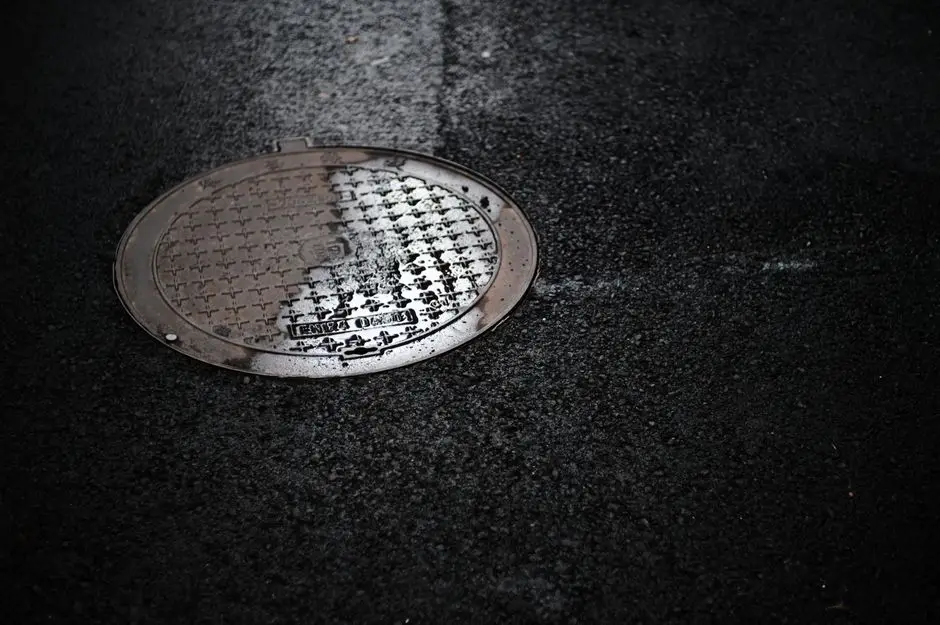
Close-up of a wet manhole cover on a rainy urban street, reflecting light.
Licensed Licensed & Bonded
Fully Insured Insured & Bonded
24/7 Emergency Same-Day Response
Warranty Backed Workmanship Guaranteed

What Landscape Drainage Work Includes

We handle the connected parts that make a drainage route function: diagnosis, grade planning, collection, conveyance, and flow testing. The exact design depends on your water source and property. We discuss surface restoration and outlet access with you before work begins, so the finished installation fits the yard rather than leaving an unexplained trench or inaccessible grate.

Water Source Assessment

We identify whether runoff comes from a roof edge, paved surface, saturated soil, or a failed existing line. Checking the source prevents us from treating only the visible puddle. We inspect inlets and outlets, review the yard's low points, and use camera inspection when a buried pipe may be blocked or damaged.
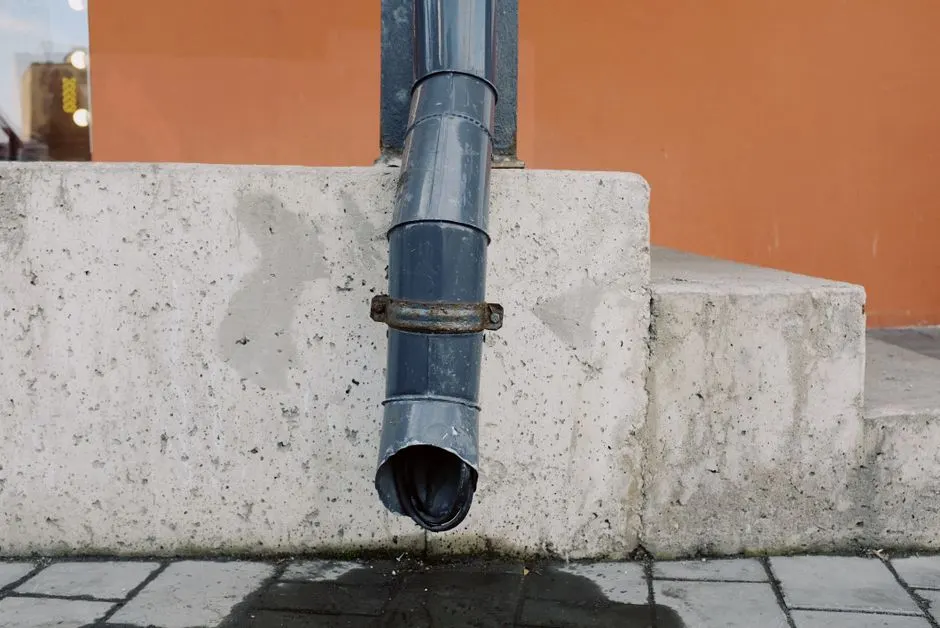
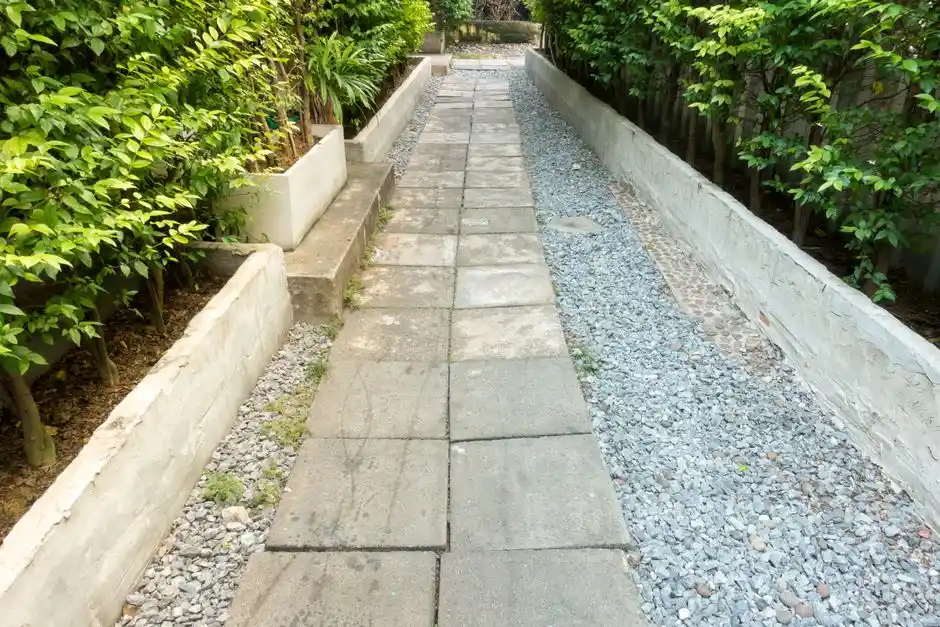
Drainage Route Design

We map the collection point, pipe route, elevation, and discharge location before excavation. The layout accounts for planting, paving, access, and the fall needed to move water. We choose between a French drain, basin, channel drain, or a combination based on how water reaches the problem area.

Installation and Connection

Our work can include excavation, drainage gravel, pipe, fittings, inlets, grates, and connections to an appropriate outlet. We set components to grade and protect the collection path from avoidable sediment entry. Materials such as filter fabric are used where the soil and design call for separation.

Flow Test and Finish

We flush and test the installed route before restoring disturbed surfaces. The check confirms that water enters the drain and reaches its destination without backing up. We also point out grates and cleanout locations, then explain simple maintenance such as removing leaves and checking the outlet after heavy rain.

Landscape Drainage Solutions in California


Landscape Drainage Solutions in California is a property drainage service that redirects excess surface and subsurface water away from lawns, gardens, paths, and foundations when grading or soil conditions cause pooling or erosion. We inspect where water enters, how it travels, and where it can safely discharge before choosing a French drain, catch basin, channel drain, or grading correction. A pipe alone will not fix a low spot if the outlet is blocked or the slope runs the wrong way. The plan has to address the whole route.

California's conditions vary sharply: coastal properties face persistent moisture, inland valleys can receive intense winter storms, and hot, dry regions may have compacted soil that sheds water quickly. Our landscape drainage systems in California are designed for the site, not a one-size-fits-all layout. If you need residential landscape drainage solutions in California, we assess the soggy lawn, foundation water pooling, or erosion from uncontrolled runoff and map the contributing area before digging. That approach helps keep a small wet patch from becoming a larger repair.

How We Handle Your Project

Landscape drainage work follows a clear sequence: find the source, confirm elevations, choose a route, install the system, and test the discharge. We explain each step in plain language, protect the work area, and keep you informed as the yard changes from diagnosis to finished surface.

01

Schedule

Call or book online — a real human picks up and confirms a 2-hour arrival window.

02

Diagnose

Licensed tech inspects on-site, then walks you through the cause and your options.

03

Fix

The job is completed to code and done right the first time — no shortcuts, no surprises.

04

Guarantee

Every job backed by a written workmanship warranty — and we stand behind it.

Tools and Drainage Methods

Tools & Equipment

Pipe inspection camera

We feed a camera through accessible drain lines to locate blockages, damaged sections, and standing water inside the pipe before choosing cleaning or repair.

Locating sonde and receiver

This equipment helps trace the position and depth of a camera-equipped buried line, letting us focus excavation near the affected section rather than opening a longer trench.

Laser level

We use a laser level to check elevations and set the drain route's fall, especially where a long run crosses changing yard grades.

Mini excavator

A mini excavator removes soil efficiently on accessible runs; for narrow or planted areas, we adjust the method to limit disturbance and protect nearby surfaces.

NDS catch basin

We use compatible NDS drainage components where the design calls for a defined surface collection point, with the basin set to finished grade and connected to the outlet.

Methods & Standards

Elevation-led drainage layout

We mark the collection point, route, and outlet, then verify elevations before digging. Maintaining fall through the full run prevents trapped water and makes the outlet do useful work. A rotary laser or transit level supports longer layouts, while a final flow test checks the completed path.

French drain assembly

For subsurface seepage, we excavate a trench, prepare the base, and place perforated pipe with drainage gravel. Filter fabric or geotextile fabric separates soil from the drainage layer when the site conditions require it. We connect the trench to a suitable outlet and keep cleanout access practical.

Surface-water capture

Where runoff travels across paving or converges at a low spot, we install a channel drain or catch basin where water naturally collects. The inlet is set to the finished surface, and the connected pipe is graded to discharge. We flush the line and confirm that the grate captures water without creating a new low point.

Code-aware discharge planning

We consider local stormwater management requirements and applicable California Building Standards Code provisions when planning the discharge route. The destination must suit the property and local rules; simply sending water toward a neighboring lot is not an acceptable fix. We account for the outlet during design, not as an afterthought.

When Your Yard Needs Drainage

01

A winter storm leaves a puddle beside the house that remains after the rest of the yard dries.

What we do: We inspect the wall edge, surface grade, downspout discharge, and any nearby drain. A laser level helps confirm whether the soil falls toward the house. We then redirect the source or add a collection point and pipe route that carries water away from the foundation area.

→ You get a defined route for water instead of repeated pooling against the house, with the inlet and outlet left accessible for routine checks.

02

A sloped garden sends muddy runoff over steps and across a frequently used path.

What we do: We map where flow gathers and identify a safe collection line before it reaches the steps. Depending on the surface, we may install a channel drain or basin and connect it to a sloped pipe run. We protect nearby planting and test the discharge before restoring the path edge.

→ Runoff is intercepted before it crosses the walking route, helping keep steps clearer and reducing soil carried onto hardscape.

03

A lawn stays soggy through spring despite regular mowing and no visible pipe break.

What we do: We check soil saturation, surface grade, and existing drain performance. A soil probe helps identify persistent wet zones, while camera inspection can check buried lines. If subsurface water is the cause, we design a French drain with suitable gravel, fabric, and a verified outlet.

→ The lawn has a route for excess subsurface water, and you know which cleanout and outlet to check after seasonal rain.

04

A paved entrance collects water during a sudden storm and the existing inlet cannot keep up.

What we do: We measure the paved area and observe how water approaches the inlet. We may add or reposition a channel drain, clear the existing line, or improve the connection. The crew tests the full route with water and confirms the grate remains accessible for debris removal.

→ Water is captured closer to where it flows, reducing the chance of a broad sheet of runoff crossing the entrance.

How California Site Conditions Shape Drainage

Landscape drainage systems in California must respond to more than rainfall totals. Coastal locations can stay damp for long periods, while inland areas may face short, intense winter storms after long dry spells. In hotter regions, compacted or crusted soil can shed water toward patios and foundations instead of absorbing it. We check the site's grade, soil behavior, existing hardscape, and outlet before choosing a system. California drainage work also needs attention to local stormwater management requirements and the California Building Standards Code where applicable. For a garden drainage installation and repair in California, we plan access and restoration alongside the pipe route, especially in established landscapes with mature roots or narrow side yards. We do not assume that a drain can discharge anywhere; the outlet has to suit the property and local rules. October is a useful time to clear inlets and identify low points before winter storms arrive. After the first heavy rain, we can check whether water enters the system and leaves the yard as designed. That practical test tells you more than a drawing alone.

Neighborhoods We Serve

  • Coastal residential blocks

    Persistent moisture and compact lots make outlet access important. We plan collection points that do not leave grates hidden beneath planting or debris.

  • Inland hillside properties

    Steeper grades concentrate runoff quickly. We measure elevation changes and intercept flow before it cuts across steps, beds, or lower patios.

  • Older paved properties

    Long-established driveways and patios can create low edges where water collects. We check finished elevations before setting channel drains or basins.

  • Newer landscaped subdivisions

    Compacted construction soil and fresh planting can create soggy patches. We inspect both surface grading and buried lines before selecting a repair.

Local Conditions We Plan For

  • Intense winter rainfall after extended dry weather

    Dry soil may initially absorb unevenly, while paved areas send water rapidly toward low points. We size collection locations around the actual flow path and confirm that the outlet remains clear.

  • Coastal moisture and shaded garden beds

    Slow drying can keep planting areas saturated even without a dramatic storm. We distinguish persistent seepage from surface runoff so a buried collection trench is used only when it addresses the cause.

  • Hot inland summers and compacted soil

    Hard, dry soil can shed water when rain returns, creating short bursts of runoff and erosion. We check grades and surface collection needs before specifying pipe or gravel.

Patio Basin Stops Overflow

Before

A low patio corner collected runoff from the adjacent lawn and stayed wet well after each storm. The existing basin sat slightly above the paving, so water passed over its grate instead of entering. Leaves and fine sediment had also reduced the outlet flow, leaving a slick strip beside the back door.

After

We reset the collection point close to the true low edge, cleared the line, and tested the outlet before finishing. Water now enters the basin at the patio surface and drains through the connected run. The homeowner can reach the grate without moving furniture, and the walking area is no longer the first place runoff collects.

Maintenance: Clear leaves from the grate every few weeks during the wet season and check the outlet after a major storm. If water begins to linger, inspect the basin before assuming the underground line needs replacement.

Before

A broad lawn stayed soft for several days after rain, with the wettest strip following the fence line. Surface grading looked mostly even, but a camera inspection found a restricted existing drain and the outlet was partly buried by soil and planting.

After

We cleared the serviceable section, exposed and corrected the outlet, then tested the full run. Water now leaves the low strip instead of sitting under the turf. The customer kept the existing lawn, avoided a full-yard trench, and gained a visible access point for future cleaning.

Maintenance: Keep the outlet opening clear of soil and plants, and remove debris from nearby inlets. Check the line after the first strong winter rain; early attention to a slow outlet prevents a small restriction from becoming recurring saturation.

Before

Rainwater crossed a sloped planting bed and washed mulch onto three steps leading to the side entrance. The flow also left a narrow erosion channel beside the path. A small drain at the bottom was too far from the point where runoff concentrated.

After

We measured the grade and installed a channel drain across the flow line, connecting it to a properly sloped outlet. Water is now captured before reaching the steps, and the erosion channel no longer carries runoff down the bed. The grate remains accessible for cleaning and the path edge was restored.

Maintenance: Lift and clear the grate of leaves and mulch at the start of the rainy season. After heavy rainfall, look for sediment buildup at the inlet and confirm that discharge remains unobstructed.

Solutions for Runoff Across a Sloped California Yard

Landscape drainage problems often show up as a recurring wet patch, but the visible water may be several feet from its source. We trace the route from entry to discharge and address the cause, whether it is a grade issue, a blocked line, or a collection point that cannot handle the flow.

Problem

Standing water keeps returning to the same lawn depression

Repeated saturation damages turf, attracts mud into the house, and makes the area difficult to mow or use after rain.

Our Fix

We check the low point and surrounding grade, then determine whether a basin, shallow regrading, or subsurface drain will capture the water. If the line already exists, we inspect for a clog before adding new components. The finished route moves collected water toward an appropriate outlet and leaves the inlet accessible for cleaning.

Problem

Runoff cuts channels through sloped beds and carries mulch downhill

Soil loss exposes roots, deposits sediment on paths, and can send water toward a neighboring surface or foundation.

Our Fix

We measure the slope, identify where flow concentrates, and choose a collection or redirection method that suits the property. Depending on the grade, we can install a channel drain, basin, or buried line with a stable outlet. We also restore disturbed ground so the route does not simply create a new erosion path.

Problem

A French drain no longer removes water after storms

A French drain failure can leave soil saturated, with water backing toward a foundation or repeatedly flooding a planting bed.

Our Fix

We inspect the accessible line and outlet for sediment, root intrusion, crushed sections, and poor fall. A hydro jetter or drain snake can clear a blockage when the pipe remains serviceable; damaged sections require repair. We test the system after clearing or replacement to confirm that flow reaches the discharge point.

Problem

A clogged catch basin spills water across the patio

Overflow can make paving slippery, wash debris into the yard, and cause water to collect beside doors or walls.

Our Fix

We remove accumulated debris, inspect the basin outlet, and check whether the inlet height captures the surface flow. If the line is blocked, we clear and flush it, then verify discharge. Where the basin is undersized or poorly located, we recommend a practical adjustment that fits the patio's grade.

What Effective Drainage Changes

What Effective Drainage Changes

Good drainage protects the parts of your property that water wears down first: soil, hardscape, planting roots, and building edges. We focus on measurable flow improvements, accessible cleanouts, and an outlet that keeps working after the next storm.

  • Fewer Puddles After Rain

    We correct low areas and capture runoff before it spreads across a lawn or walkway. A catch basin placed at the collection point can draw water into a properly sloped line, reducing standing water that lingers for hours or days. You get a yard that drains more predictably, with fewer muddy routes between the house, patio, and garden.

  • Protect Foundation Edges

    Water sitting beside a foundation can wet soil repeatedly and find gaps around adjoining hardscape. We redirect the flow away from the structure using a suitable collection point and solid PVC pipe where the water needs a controlled route. The finished layout preserves access for inspection and avoids simply moving the pooling problem to another wall.

  • Limit Soil Washout

    Runoff moving across bare or sloped ground can carry mulch and topsoil into paths and drains. We slow, collect, or reroute that flow according to the grade, then restore the affected surface. Solutions for runoff across a sloped California yard start with measuring elevation changes so water is guided rather than allowed to cut channels.

  • Keep Beds and Paths Usable

    A blocked yard drain or poorly placed outlet can leave a garden bed saturated while nearby paving stays slick. We check the inlet, pipe route, and discharge point together, then match the drainage detail to the surface. That can mean a channel drain along paving or a basin in a planting area, with a grate you can clear.

Credentials and Work Standards

Licensed & Certified

  • California State Contractor License — issued by California Contractors State License Board
  • C-36 Plumbing Contractor Classification — issued by California Contractors State License Board
  • C-8 Concrete Contractor Classification — issued by California Contractors State License Board
  • OSHA Excavation Safety Requirements — issued by Occupational Safety and Health Administration

Verified Reviews

Customer feedback ★★★★★5.0

The crew explained why water kept returning to the same lawn corner and showed us the blocked outlet. They cleared the line, tested it, and left the grate accessible. The lawn dried much faster after the next rain, and we knew exactly what to check during seasonal cleanup.

Customer feedback ★★★★★5.0

Our side path used to carry runoff from the driveway toward the garage. The team measured the grade, added a channel drain at the collection point, and tested the discharge before restoring the edge. The work was focused and the water now has a clear route away from the door.

Customer feedback ★★★★★5.0

We had a soggy planting bed and no clear idea whether the problem was the soil or an old drain. Camera inspection found a restriction, and the crew repaired the affected section instead of digging up the whole garden. They left us with simple instructions for checking the outlet.

Field Knowledge That Matters

Our team works across varied California properties, from compact urban yards to sloped lots and broad garden landscapes. We use field measurements, drainage diagnostics, and installation practices suited to the site rather than relying on a standard trench detail. Work is planned with applicable California Building Standards Code provisions, local stormwater management requirements, and OSHA excavation safety requirements in mind. Materials are selected for the job, including pipe, washed rock, and geotextile fabric where appropriate. We explain the drainage route and maintenance points so you know what is below your lawn.

  • We use a pipe inspection camera to identify sediment, roots, and breaks before recommending a repair or replacement.
  • A locating sonde and receiver can help trace buried nonmetallic drain lines and reduce unnecessary excavation.
  • Our layout checks use a rotary laser or laser level to set reliable grades across longer drainage runs.
  • We select perforated PVC pipe or corrugated HDPE drain pipe according to water source, soil, route, and outlet conditions.
  • We verify applicable California State Contractor License requirements and CSLB licensing classifications for the work being performed.
Get Started Today
Field Knowledge That Matters

Cities We Serve Across California

Our service coverage spans California's coastal, inland, and valley communities. We adapt Landscape Drainage Solutions to local grades, soil, rainfall patterns, and available discharge routes, whether the property is a compact residential lot or a larger landscaped site. Our landscape drainage systems in California are planned around the water source and tested at the outlet. Select your city below to find local service details and arrange a site assessment.

Riverside

In Riverside, we assess inland storm runoff, compacted soil, and low areas beside patios. We design collection points and outlets around the property's actual grade.

Oxnard

Oxnard properties can need careful management of coastal moisture and paved runoff. We check garden saturation and outlet access before selecting a drain layout.

Santa Clarita

For Santa Clarita's sloped yards, we measure where runoff concentrates and intercept it before it reaches steps, lower patios, or planting beds.

Ontario

In Ontario, we inspect how roof and paved-area runoff enters the yard, then route it away from low lawn areas and foundation edges.

Santa Cruz

Santa Cruz drainage plans account for damp coastal conditions and established gardens. We trace persistent seepage separately from surface water before choosing a French drain or inlet.

Torrance

Torrance properties often need practical drainage around patios and compact paved yards. We set channel drains to the finished surface and verify the outlet.

Redding

In Redding, we plan for strong seasonal rainfall and summer-dry ground that can shed water. Grade checks help direct storm runoff to a suitable collection point.

San Buenaventura

San Buenaventura projects balance coastal moisture with landscape and hardscape needs. We inspect low spots, inlets, and discharge routes before excavation.

Vacaville

Vacaville yards with broad lawns or paved edges benefit from a defined route for winter runoff. We locate collection points and test the connected line.

Compton

In Compton, we work around established paving and compact residential layouts, checking low edges where runoff can collect beside buildings or walkways.

Livermore

Livermore drainage work accounts for dry-season soil and concentrated storm flow. We measure slopes and select surface or subsurface collection to match the problem.

Alhambra

Alhambra properties can have limited side-yard access and older hardscape. We plan a practical pipe route while protecting paving, planting, and cleanout access.

Pleasanton

In Pleasanton, we assess garden saturation and runoff from driveways and patios. The design follows the site's grade and keeps the discharge route accessible.

Tulare

Tulare yards may shed water across compacted ground after dry periods. We check soil behavior and surface elevations before adding a basin or drain line.

El Paso de Robles

For El Paso de Robles properties, we account for sloping landscapes and seasonal rainfall. We intercept concentrated runoff and confirm a suitable outlet before finishing.

Frequently Asked Questions

Real answers to the questions we hear most often from local homeowners and property managers.

What landscape drainage solution is right for my yard in California?
The right solution depends on whether water is pooling on the surface, seeping through soil, or backing up in an existing line. A catch basin suits a defined low point; a French drain addresses subsurface saturation; and a channel drain captures runoff along paving. We inspect grades, soil, and outlets before recommending a layout. For a landscape drainage system for standing water in California, the source and discharge route matter as much as the drain itself.
How much do landscape drainage systems cost in California?
In 2026, a small inlet or drain repair often costs $300-$1,200, while a residential French drain installation commonly ranges from $2,000-$8,000. Longer runs, concrete cutting, difficult access, utility conflicts, and extensive surface restoration increase the total. A short, accessible route with a clear outlet usually costs less. We inspect the water source and provide upfront pricing based on the actual trench length, materials, and restoration required.
Can landscape drainage prevent water from pooling in a garden?
Yes, a correctly placed drain can reduce garden pooling by collecting water at the low point and directing it to a suitable outlet. We first check whether the cause is poor surface grading, compacted soil, or a blocked yard drain. Then we choose the collection method and protect planting roots during the work. Clearing leaves from the grate and checking the outlet after major storms helps the system keep flowing.
Who installs garden drainage near me in California?
Our team installs and repairs garden drainage across California, with the system selected for your soil, slope, and water source. We diagnose the route, confirm elevations, install the inlet and pipe, and test the discharge before restoring the work area. If you are comparing a California drainage contractor for gardens and lawns, ask how the installer verifies grade and handles the outlet. Those details determine whether collected water actually leaves the problem area.

Related Drainage Services

Yard Drainage Inspection and Diagnosis

When pooling returns after earlier work, inspection helps identify the cause before more soil is disturbed. We check inlets, elevations, and buried lines, then explain whether a repair, cleaning, or new drainage route is needed for your California property.

View Yard Drainage Inspection and Diagnosis

Yard Drainage Repair

A cracked connection, clogged catch basin, or failed outlet can undermine an otherwise useful system. We locate the failure, repair the affected section, and test the flow so your landscape drainage plan works as intended without unnecessary replacement.

View Yard Drainage Repair

Yard Drainage Installation

For yards without an effective drainage route, we design and install collection points, pipe, and outlets around the existing grade. We protect access and planting where possible, then confirm that water travels away from the areas you want to keep dry.

View Yard Drainage Installation

French Drain Installation and Repair

French drains collect subsurface seepage through a gravel-and-pipe trench. We diagnose failed systems for sediment, crushed sections, or a blocked outlet, then repair or install the run to match the soil and available fall on your property.

View French Drain Installation and Repair

Trench Drain Installation and Repair

A trench drain captures surface water along a driveway, patio, or other paved edge. We set the channel to grade, connect a suitable outlet, and check the grate for access and cleanout needs, reducing runoff across frequently used surfaces.

View Trench Drain Installation and Repair

Channel Drain Installation and Repair

Channel drains are useful where broad, shallow runoff crosses hardscape. We position the channel at the collection line, secure its grate, and connect it to a discharge route. Repairs address loose sections, blockages, and connections that leak or back up.

View Channel Drain Installation and Repair

Stop Yard Water From Spreading

Tell us where water pools, crosses a path, or reaches the house. Our team will inspect the flow and explain a practical drainage plan for your California property. Call Northern California Drainage Experts to get started.

Call Today Plan Drainage

Talk With Our Team

Tell us where water collects, when you first noticed it, and whether it follows rain or irrigation. Call Northern California Drainage Experts at +13103881903 to discuss yard drainage work across California. Our phone line is open Monday through Friday, 8:00 a.m. to 6:00 p.m.; we will hear the details and help identify the next step.

Or call us right now at +13103881903 — we answer.

Northern California Drainage Experts


  • Phone

    +13103881903
  • Address

    California

  • Hours

    Mon–Fri: 7AM – 7PM
    Sat: 8AM – 4PM
    Sun: Emergency Only
    24/7 Emergency Available

Call +13103881903 Get Quote
Call Quote