Logo
Get Estimate

Yard Drainage Inspection and Diagnosis in California

Find the cause of pooling water before repairs begin


Yard Drainage Inspection and Diagnosis in California helps homeowners, property managers, and contractors pinpoint why water collects, runs toward a foundation, or leaves a lawn soggy. Our team traces surface flow, checks accessible drains, and explains what the findings mean before you choose a repair. A California yard drainage inspection is useful after heavy rain, recurring puddles, a failed French drain, or changes to landscaping that redirect runoff.

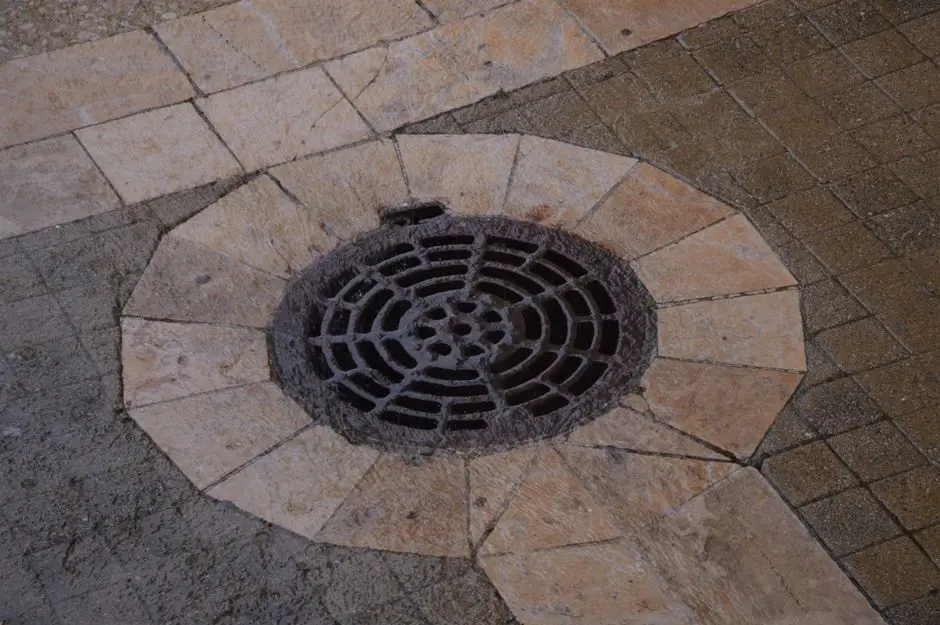
Close-up of an intricate iron manhole cover on a paved urban sidewalk.
Licensed Licensed & Bonded
Fully Insured Insured & Bonded
24/7 Emergency Same-Day Response
Warranty Backed Workmanship Guaranteed

What the Inspection Covers

A standard inspection covers visible grading, runoff routes, accessible inlets and basins, and the condition of drain components we can safely reach. We discuss symptoms, test flow where appropriate, and explain likely causes and practical next steps. Camera work, extensive line locating, excavation, cleaning, and repair are additional work when the diagnosis shows they are needed; we explain those costs before proceeding.

Property Flow Walk

We walk the affected area and trace water from higher ground toward puddles, outlets, and structures. You can show us what happens during storms, while we check slope changes, hardscape edges, erosion, and signs that runoff is being redirected.

Visible Drain Review

We inspect accessible grates, inlets, catch basins, and outlets for debris, damage, or signs of backup. We note which components can be opened safely and whether their position appears to match the low points where water collects.

Targeted Flow Testing

When conditions and access permit, we introduce controlled water to observe how a surface or drain responds. This can expose a slow outlet, an inlet that misses the flow path, or water returning through a suspected obstruction.

Findings and Priorities

We explain the likely cause, the evidence that supports it, and what should be addressed first. You receive practical options such as clearing a basin, correcting a grade, investigating an accessible line, or planning a drainage improvement.

Repair Path Discussion

If inspection points to additional work, we connect the recommendation to the diagnosis and discuss the next step. We distinguish routine maintenance from repairs that need excavation or new materials, so you understand what each option is meant to fix.

Yard Drainage Inspection and Diagnosis in California


Yard Drainage Inspection and Diagnosis in California is a property drainage evaluation that identifies how water moves, where it becomes trapped, and what is causing drainage symptoms. We inspect grading, downspout discharge, visible inlets, catch basins, and accessible pipe runs, then relate those findings to the wet areas you see. A soil probe helps compare saturated and firm ground; a pipe inspection camera can check an accessible line for roots, separated joints, or accumulated debris. You receive a clear explanation of the likely cause and practical repair options, not a guess based on one puddle.

California properties face sharply different rain patterns, soils, slopes, and site layouts. Winter storms can overwhelm compacted yards and older drains, while dry periods can conceal a blocked outlet until the next downpour; coastal fog and inland heat also affect soil drying. Our yard drainage diagnosis services California homeowners request often begin with standing water, foundation water pooling, erosion from uncontrolled runoff, or a soggy lawn that persists after rain. A professional yard drainage inspection and diagnosis in California connects those symptoms to measurable flow paths and the condition of the existing system.

What to Expect During Inspection

Yard drainage inspection in California starts with your observations and finishes with a practical diagnosis. Most straightforward site visits take about 1 to 3 hours; larger properties or concealed systems need more investigation. We explain each step while we work, so you can see how the evidence supports the recommendations.

01

Schedule

Call or book online — a real human picks up and confirms a 2-hour arrival window.

02

Diagnose

Licensed tech inspects on-site, then walks you through the cause and your options.

03

Fix

The job is completed to code and done right the first time — no shortcuts, no surprises.

04

Guarantee

Every job backed by a written workmanship warranty — and we stand behind it.

Tools and Inspection Methods

Tools & Equipment

Pipe inspection camera

We use a camera in an accessible drain line to look for obstructions, root intrusion, separated joints, or other visible defects. The view helps narrow the affected section before excavation is considered.

Locating sonde and receiver

When a compatible camera head is inside a line, the locating sonde and receiver can help map its route and approximate position from the surface. That information supports targeted follow-up work.

Laser level

A laser level compares elevations across lawn, paving, and drainage points when the slope is difficult to judge by eye. We use the readings to identify low spots and explain how surface grading affects runoff.

Soil probe

A soil probe checks how deeply moisture extends and helps compare saturated ground with nearby areas. We use the result alongside grade and drain observations rather than treating one soil reading as a complete diagnosis.

Drain snake

A drain snake can help investigate or clear an accessible localized blockage. If the line remains restricted or shows signs of structural damage, we stop short of treating a mechanical clearing as proof that the system is fully sound.

Methods & Standards

Surface flow and grade survey

We follow the visible path of runoff and compare elevations at the source, low points, and intended outlet. Where a subtle grade change is in question, level readings help show whether water is being directed away from a structure or trapped by a shallow depression.

Accessible line inspection

We inspect available basins, cleanouts, and outlets before testing a connected pipe. A camera check is used where line access and condition support it; the goal is to locate visible restrictions or defects and avoid assuming that a surface puddle proves a pipe has failed.

Controlled flow observation

When suitable, we introduce a measured amount of water and observe how quickly it enters a drain and where it exits. This helps separate a blocked inlet from a downstream restriction or a grading issue. We consider rainfall conditions and safe discharge routes during the test.

Code and discharge review

We consider the property layout, applicable California Building Standards Code provisions, and local stormwater management requirements when discussing an outlet or proposed change. A diagnosis does not replace permitting review, but it can identify questions that should be resolved before installation or rerouting.

When to Schedule an Inspection

01

A winter storm leaves a new puddle beside the house or along a walkway.

What we do: We inspect the slope, nearby downspouts, and accessible drains, then trace where runoff enters and exits the affected area. If the problem appeared after landscaping or paving, we compare the new surface transitions with the original flow path and identify the likely point where water is being held or redirected.

→ You learn whether the new pooling comes from a changed grade, a blocked inlet, or an overwhelmed route, with repair priorities tied to the observed cause.

02

Water keeps returning to the lawn even after an inlet has been cleared.

What we do: We check whether the inlet sits at the actual low point and whether its connected outlet carries water away. A controlled flow test or camera inspection can help determine if the remaining problem lies downstream, in the pipe, or in the surrounding grade.

→ You can avoid repeating the same cleanout and focus the next step on the part of the system that is restricting flow.

03

A contractor proposes a French drain, but the source of the wet area is unclear.

What we do: We assess surface and subsurface clues before settling on a system type. The team reviews slope, soil saturation, existing drain routes, and available outlets, then explains whether a French drain fits the conditions or whether another correction should come first.

→ You get a reasoned basis for comparing proposals and reduce the risk of installing a drain that does not address the actual water path.

04

A rental or shared property reports erosion and standing water after repeated storms.

What we do: We inspect the affected common areas, document visible flow routes, and check accessible basins and grates for blockage. We identify whether runoff is crossing paths, collecting at a low point, or backing up from an outlet, then outline practical priorities for the property manager.

→ The owner or manager receives clear repair priorities that can be shared with maintenance staff and used to plan work before the next heavy rainfall.

How California Conditions Shape Inspection

Yard Drainage Inspection and Diagnosis in California has to account for more than one rainfall pattern. Coastal properties can receive prolonged winter rain, while inland and desert areas may face intense downpours after long dry periods; compacted soil and hardscape can make runoff move quickly across a lot. In older neighborhoods, added patios or extensions sometimes change the original drainage route, while newer developments can have tightly graded yards and shared stormwater constraints. We inspect the property as it exists today, including downspouts, walkways, slope breaks, and accessible outlets. Our yard drainage assessment in California also considers whether a proposed discharge route fits local stormwater management requirements. For a California inspection to find the cause of a soggy yard, we compare surface evidence with accessible drain conditions and explain where additional testing is needed. That approach helps you choose a repair based on the site rather than a statewide one-size-fits-all layout.

Neighborhoods We Serve

  • Westside lots

    In compact urban blocks, patios, driveways, and additions can leave little open soil for runoff. We check hardscape edges and the route water takes around the house.

  • Coastal neighborhoods

    Longer periods of winter moisture can keep shaded yards saturated. We distinguish persistent soil moisture from a drain that is blocked or returning water.

  • Inland foothill properties

    Sloped lots can carry runoff quickly toward lower yards, retaining edges, and paths. We trace the uphill source as well as the place where water collects.

  • Newer planned communities

    Tightly arranged lots may share drainage patterns and have limited outlet choices. We review the property-side flow route and note local stormwater considerations.

Local Conditions We Plan For

  • Intense rainfall following a long dry period

    Dry or compacted ground may absorb water slowly during a sudden storm, sending more runoff across the surface. We check whether the system can collect that flow and whether the yard directs it toward a safe outlet.

  • Coastal moisture and shaded, slow-drying lawns

    A shaded lawn can remain damp longer than nearby sunny ground, making a normal drying pattern look like a drain failure. We compare soil moisture, slope, and drain behavior before identifying the cause.

  • Hardscape additions that alter the former grade

    New paving or landscaping can interrupt an established runoff route and push water toward a doorway or foundation. We inspect transitions and low edges to locate where the flow changed.

Patio-Side Pooling

Before

A homeowner reported water collecting beside a patio after winter rain. The puddle stretched about 8 feet along the paving edge, and the nearest catch basin looked clear from above. The yard had a shallow dip between the lawn and hardscape, but the source of the pooling was not obvious.

After

Inspection found that the surface fell toward the patio and the basin sat beyond the natural low point. The recommended correction redirected the local grade and positioned collection where water actually gathered. After the work, a controlled flow test showed water reaching the inlet without spreading across the patio edge.

Maintenance: Keep the inlet grate clear of leaves and soil, especially before the rainy season. Check the patio edge after major storms for new sediment or erosion, and report any return of standing water so the flow path can be rechecked.

Before

A side yard flooded during heavier rain even though a drain had been installed several years earlier. Water stood for roughly 24 hours, and clearing visible leaves from the grate did not help. The owner suspected a broken pipe but could not see the buried route.

After

We checked the basin and inspected the accessible line, locating a restriction rather than assuming the pipe had collapsed. The targeted follow-up cleared the obstruction, and a flow test confirmed that water moved through the accessible route. The repair avoided replacing the full line without evidence.

Maintenance: Remove leaves from the grate every 4 to 6 weeks during heavy leaf fall and after major storms. If water begins to rise in the basin or drains slowly again, arrange a check before sediment compacts farther into the line.

Before

A downspout discharged onto a narrow side yard, leaving a wet strip beside the foundation after storms. The soil showed small erosion channels, and water sometimes crossed the walkway toward a low garden bed. The owner needed to know whether the cause was grading or a failed drain.

After

The inspection traced the runoff from the downspout and found that the grade directed flow along the structure. The recommended route carried water away from the foundation and reduced the crossing at the walkway. A follow-up water test confirmed the revised path over approximately 20 feet.

Maintenance: Keep the downspout outlet and nearby collection point free of debris. After the first two substantial storms, look for renewed erosion, soil settlement, or water returning toward the wall and arrange a prompt recheck if the flow changes.

Solve Standing Water at Its Source

Recurring wet areas can damage turf, stain hardscape, erode soil, or direct water toward a foundation. Our inspection identifies the mechanism behind the symptom, then helps you choose a correction that fits the property. A yard drainage assessment for standing water in California is especially useful when the same puddle returns after every storm.

Problem

Standing water remains in the lawn for days after rain

Persistent saturation can weaken turf, attract nuisance insects, and leave soil too soft for normal use. The repeated wet area may also indicate a low grade or an outlet that is not carrying water away.

Our Fix

We measure the surface fall around the puddle, check nearby inlets and outlets, and compare the wet area with the surrounding grade. If the cause is a shallow depression, we explain grading options; if water should be entering a drain, we inspect the accessible route for obstruction or failure.

Problem

Runoff flows toward a foundation or crawlspace

Water repeatedly pooling against a structure can keep adjacent soil saturated and increase the chance of moisture entering vulnerable areas. A downspout or paved surface may be sending runoff in the wrong direction.

Our Fix

We trace the flow from downspouts, roofs, and hardscape to the point where it reaches the structure. Our team checks the grade and nearby drainage components, then identifies a practical route to redirect water in line with applicable local stormwater requirements.

Problem

A yard drain backs up during storms

A blocked yard drain or storm drain backup can push water back onto the surface just when rainfall is heaviest. Repeated overflow may carry sediment across paths and damage nearby planting beds.

Our Fix

We inspect the grate and basin, check for sediment, and test the outlet when access permits. A camera or drain snake can help investigate a reachable obstruction. We distinguish a cleanout need from a damaged line or a capacity issue before recommending repair.

Problem

A previous French drain no longer keeps the yard dry

French drain failure can leave the same low area saturated, even though a buried system is present. A collapsed section, clogged fabric, poor outlet, or unsuitable route can prevent the system from relieving water.

Our Fix

We inspect accessible outlets and observe where water collects relative to the drain route. If the line can be examined, we use appropriate diagnostic tools to locate restrictions or defects. The findings help determine whether a focused repair, cleanout, or redesigned route is warranted.

Clear Findings, Better Decisions

Clear Findings, Better Decisions

Our inspection separates visible symptoms from the underlying cause, so you can decide whether to correct grading, clear a line, replace a failed section, or add a drain. We document what we can observe and explain what should be addressed first.

  • Find the Actual Cause

    We trace water from its source to its resting point instead of treating every wet patch as a pipe failure. A laser level can reveal a shallow low spot that redirects runoff toward a patio, while a camera inspection can identify a blockage inside an accessible drain. The distinction helps you avoid paying for excavation when a surface correction is the right first move.

  • Protect Foundations and Paths

    Repeated pooling beside a slab, walkway, or retaining edge deserves attention before soil movement or erosion worsens. We check where runoff travels and whether an outlet has capacity to carry it away. Your California drainage problem assessment ends with priorities tied to the property, including immediate concerns and repairs that can be planned for a later phase.

  • Plan Repairs with Evidence

    You get findings connected to visible conditions: drain direction, slope, inlet condition, and signs of blockage or failure. That makes it easier to compare a localized cleanout with a larger replacement. For yard drainage assessment for standing water in California, we identify the affected area and explain which proposed work addresses the cause rather than simply hiding the puddle.

  • Reduce Repeat Water Damage

    A blocked yard drain, storm drain backup, or poor surface grading can send water back across the same area after every storm. We look for the repeat mechanism and test accessible flow paths where conditions allow. You leave with specific maintenance points, such as which basin to clear and which outlet to watch during the next rainfall.

Licensing and Standards

Licensed & Certified

  • California State Contractor License — issued by California Contractors State License Board
  • C-36 Plumbing Contractor classification — issued by California Contractors State License Board
  • C-8 Concrete Contractor classification — issued by California Contractors State License Board
  • OSHA excavation safety requirements — issued by Occupational Safety and Health Administration

Verified Reviews

Customer feedback ★★★★★5.0

The inspection found that our yard stayed wet because the grade sent runoff away from the inlet. The team explained the measurements and showed us the low point before discussing changes. We appreciated that the recommendation addressed the cause instead of pushing a full drainage replacement.

Customer feedback ★★★★★5.0

Our drain backed up every time the rain got heavy. They checked the basin, tested the line, and showed us where the flow slowed. We left knowing what needed attention and what did not. The inspection was practical and easy to follow.

Customer feedback ★★★★★5.0

We had water gathering near the walkway and were concerned about it reaching the house. The crew traced the downspout runoff and explained how the yard slope was contributing. Their findings gave us a clear next step and a way to check the area after the next storm.

Field Knowledge That Matters

Drainage diagnosis requires more than spotting water on the surface. Our team follows the flow, checks the condition of accessible components, and considers how the yard connects to hardscape and approved discharge points. We work with the practical requirements of California properties, including local stormwater management requirements and applicable California Building Standards Code provisions. For installations or repairs that require regulated trade work, we use appropriately licensed contractors and follow California Contractors State License Board licensing requirements. Findings are tied to what we can inspect, measure, and test on your property.

  • We distinguish standing water caused by a low grade from water caused by a blocked or damaged drain line.
  • We inspect accessible basins, grates, outlets, and pipe sections before recommending excavation or replacement.
  • We consider California Building Standards Code and local stormwater management requirements when evaluating proposed discharge routes.
  • Our field checks account for slopes, compacted soils, hardscape transitions, and changing runoff after landscape work.
  • We explain which findings are confirmed, which areas remain concealed, and what test would resolve remaining uncertainty.
Get Started Today
Field Knowledge That Matters

Cities We Serve Across California

We provide Yard Drainage Inspection and Diagnosis across California, from dense coastal neighborhoods to inland yards that see sharp runoff during heavy storms. Our team adjusts the inspection to local rainfall, soil, grading, access, and the drainage components present at your property. A yard drainage assessment in California can help homeowners identify whether recurring water is caused by surface slope, a clogged inlet, or a restricted pipe. We serve the communities below and nearby areas; contact us with your location and the drainage problem you are seeing.

Los Angeles

In Los Angeles, we trace runoff across compact lots, patios, and additions that can change the original grade, then inspect accessible inlets and outlets.

Long Beach

Long Beach inspections account for paved surfaces and low yard areas where winter rain can expose a blocked inlet or a grading problem.

Irvine

In Irvine, we check how landscaped yards, walkways, and downspouts direct water, especially where a persistent low spot stays wet after storms.

Huntington Beach

Huntington Beach properties may need close review of slow-drying coastal yards and surface transitions that carry runoff toward patios or foundations.

Lancaster

In Lancaster, we look for concentrated runoff after intense rain and check whether the yard grade leads water toward a functioning collection point.

Escondido

Escondido inspections follow water across sloped lots and lower planting areas, checking erosion, outlet direction, and any recurring drainage backup.

Yuba City

In Yuba City, we inspect low areas and accessible yard drains where seasonal rainfall can reveal a restricted outlet or poor surface fall.

Downey

Downey service focuses on practical flow paths around homes, paved yards, and older drainage layouts where additions may have redirected runoff.

El Cajon

In El Cajon, we trace runoff from higher ground toward the yard's low points and check whether inlets can capture water during heavy rain.

San Marcos

San Marcos properties with sloped yards benefit from checking both the uphill source of runoff and the lower area where water collects.

Lake Forest

In Lake Forest, we inspect landscaped areas, hardscape edges, and drainage points to identify why water persists after a storm.

Redwood City

Redwood City inspections consider compact residential lots and coastal moisture, distinguishing slow soil drying from a blocked or failing drain.

Chino Hills

In Chino Hills, we follow water down sloped yards and assess erosion, collection points, and the condition of accessible outlets.

Redlands

Redlands inspections check how downspouts, walks, and grade changes direct runoff, especially where water repeatedly settles beside a structure.

Watsonville

In Watsonville, we evaluate damp yards and recurring pools by checking surface fall, accessible drains, and whether water has a clear outlet.

Frequently Asked Questions

Real answers to the questions we hear most often from local homeowners and property managers.

What happens during a yard drainage inspection in California?
A yard drainage inspection checks grading, visible drains, water paths, and accessible pipework, usually in 1 to 3 hours. We ask when and where pooling occurs, walk the property, inspect basins and outlets, and use level or camera checks where useful. If access allows, we test flow to see whether water moves as intended. We finish by explaining the likely cause and repair options, including any limits where a line remains concealed.
How much does a yard drainage assessment cost in California?
Typical 2026 pricing is about $180 to $650 for a site assessment, with additional diagnostic testing or larger properties raising the total. The price depends on yard size, access, number of drains, camera inspection needs, and whether the issue requires tracing a buried line. We explain the charge before work starts. A California drainage problem assessment can save money by identifying whether the solution is a cleanout, grade correction, or more extensive repair.
Can a drainage inspection identify why my yard floods?
Yes, an inspection often identifies whether yard flooding comes from poor grading, a blocked inlet, a failed pipe, or runoff entering from another area. We compare the visible flow path with accessible drains and test water movement when conditions permit. A camera can show defects inside an accessible pipe, but concealed sections may need further access to confirm. The findings help you choose a repair that addresses the cause instead of merely moving the puddle.
Who provides yard drainage diagnosis near me in California?
Northern California Drainage Experts provides yard drainage diagnosis services California property owners can use to investigate recurring pooling, soggy lawns, and blocked drains. We inspect the site, explain what the evidence shows, and outline relevant next steps. For a yard drainage contractor near me for a water flow assessment, call +13103881903 to discuss the symptoms and arrange an inspection. Service coverage includes communities across California, with site needs assessed individually.

Related Drainage Services

Yard Drainage Repair

When inspection confirms a broken line, blocked inlet, or failed outlet, repair addresses the diagnosed defect. We use the findings to focus work on the affected area and test the flow path after the repair, rather than replacing sound components without a reason.

View Yard Drainage Repair

Yard Drainage Installation

If the property lacks a workable drainage route, inspection findings guide a new installation. We map the collection points, grade, and discharge direction before selecting a layout, helping you avoid placing a drain where it cannot intercept or safely carry runoff.

View Yard Drainage Installation

Landscape Drainage Solutions

Landscape drainage work connects surface grading, planting areas, hardscape, and drain placement. An inspection identifies where runoff crosses these features and where water becomes trapped, so a solution can address the whole yard rather than one isolated puddle.

View Landscape Drainage Solutions

French Drain Installation and Repair

A French drain may help when subsurface water is the issue, but only if the route, depth, and outlet suit the site. Inspection can reveal a crushed pipe, poor outlet, or conditions that call for a different approach before repair or replacement begins.

View French Drain Installation and Repair

Trench Drain Installation and Repair

Trench drains intercept sheet flow across driveways, patios, and other hard surfaces. We use inspection findings to determine whether the grate, channel, outlet, or upstream grading is responsible for water crossing the area.

View Trench Drain Installation and Repair

Channel Drain Installation and Repair

A channel drain needs a clear collection path and a working outlet. Inspection checks whether the channel is obstructed, incorrectly positioned, or receiving more runoff than its route can carry, then guides the appropriate correction.

View Channel Drain Installation and Repair

Book Yard Drainage Inspection in California

Standing water after rain is a symptom, not a diagnosis. Our team will trace the flow, inspect accessible drains, and explain the next step for your property. Call Northern California Drainage Experts at +13103881903 to schedule your inspection.

Call Today Schedule Inspection

Talk With Our Team

Tell us where water collects, when you first noticed it, and whether it follows rain or irrigation. Call Northern California Drainage Experts at +13103881903 to discuss yard drainage work across California. Our phone line is open Monday through Friday, 8:00 a.m. to 6:00 p.m.; we will hear the details and help identify the next step.

Or call us right now at +13103881903 — we answer.

Northern California Drainage Experts


  • Phone

    +13103881903
  • Address

    California

  • Hours

    Mon–Fri: 7AM – 7PM
    Sat: 8AM – 4PM
    Sun: Emergency Only
    24/7 Emergency Available

Call +13103881903 Get Quote
Call Quote